
Back to School Braces
10 Things Every Parent Should Pack
Back to school braces do not have to make the school day stressful. A small braces care kit can help your child manage food caught around brackets, mild irritation, lunchtime brushing and other common concerns without missing class or feeling uncomfortable.
At Sander Orthodontic Arts, we recommend keeping the following 10 essentials in your child’s backpack, locker or sports bag throughout the school year.
Quick Back to School Braces Checklist
Pack these 10 items before the first day of school:
Travel toothbrush
Fluoride toothpaste
Orthodontic flossers
Proxybrushes or interdental brushes
Orthodontic wax
Small mirror
Aligner or retainer case
Orthodontic mouthguard
Lip balm
Refillable water bottle
Place the smaller supplies in a zippered pouch so they are easy to find and do not get lost at the bottom of a backpack.
1. Travel Toothbrush
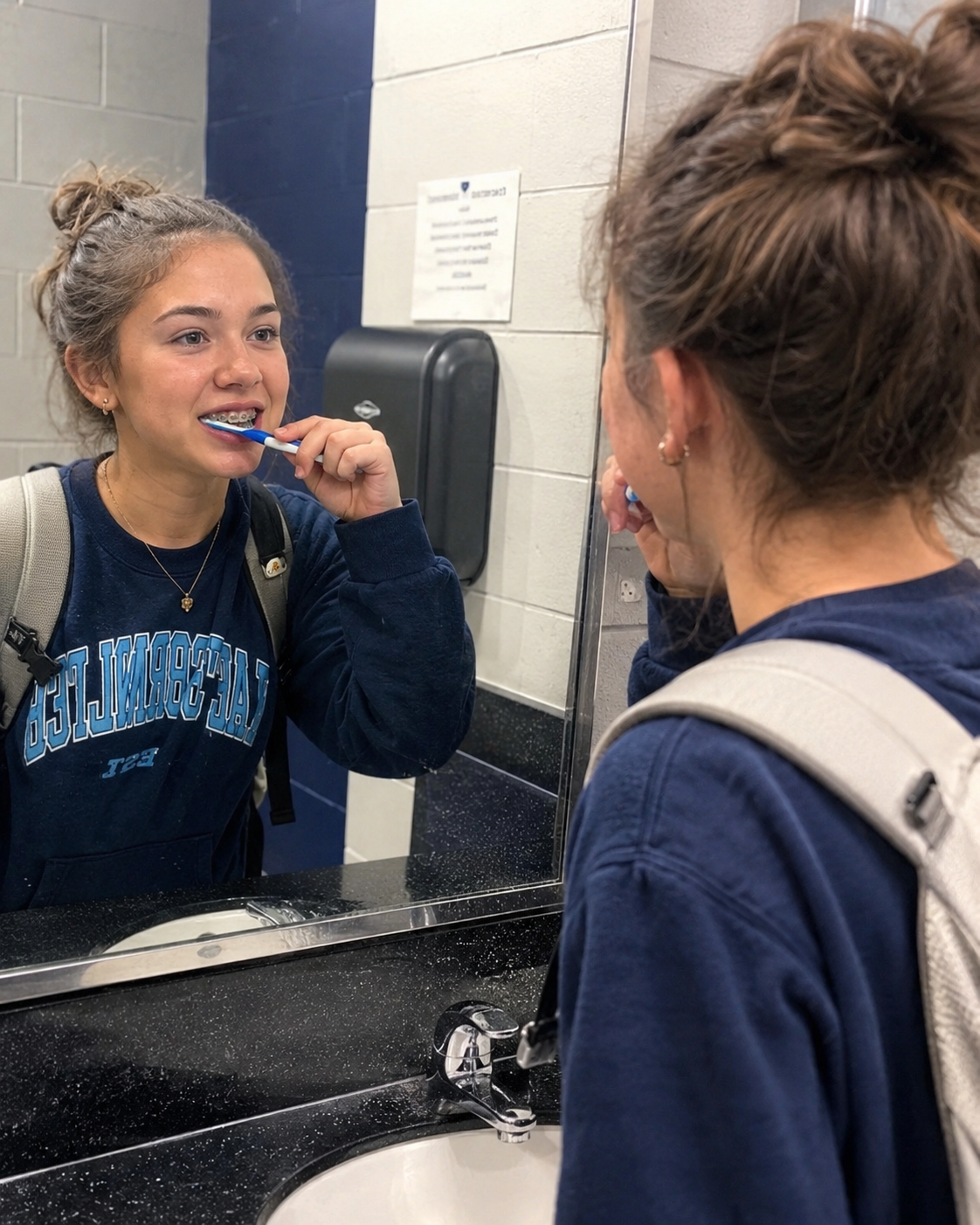
Food can easily collect around brackets and wires during lunch. A soft-bristled travel toothbrush allows your child to quickly clean their teeth before returning to class.
Brushing after lunch helps remove food particles and plaque that would otherwise remain around the braces for the rest of the school day. This is especially important because plaque buildup around brackets can increase the risk of tooth decay, gum irritation and white spot lesions.
White spot lesions are areas of enamel demineralization that may remain visible after braces are removed. Consistent brushing and regular dental cleanings can help reduce this risk.
Students who cannot brush after every meal should rinse thoroughly with water and brush as soon as they are able.
2. Fluoride Toothpaste
A travel size fluoride toothpaste should be kept with the toothbrush.
Fluoride helps strengthen tooth enamel and protect teeth from decay. Your child only needs a small amount for a quick school day brushing routine.
Encourage your child to keep the cap securely closed and store the toothpaste in a small plastic bag or braces care pouch.
3. Orthodontic Flossers
Flossing with braces can take more time, but orthodontic flossers make it easier to clean between teeth and around wires.
These flossers are designed to fit beneath the orthodontic wire, helping remove food and plaque from areas a toothbrush may not reach.
Your child may not have time for a complete flossing routine after every school lunch. However, keeping flossers nearby gives them a quick way to remove uncomfortable food particles when needed. A more thorough brushing and flossing routine should still happen at home each day.
4. Proxybrushes or Interdental Brushes
Proxybrushes are small brushes that fit between brackets and underneath orthodontic wires.
They are especially helpful after lunch or snacks when food becomes trapped around the braces. Because they are small and easy to use, many students find them more convenient than brushing when they only have a few minutes between classes.
A proxybrush does not replace regular brushing or flossing, but it can be a useful addition to your child’s braces care routine.
5. Orthodontic Wax
Orthodontic wax can provide temporary relief when a bracket or wire irritates the lips or cheeks.
This can be especially helpful after an adjustment appointment while the mouth adapts to the braces. Your child can dry the irritated bracket or wire and gently press a small piece of wax over the area.
If a wire continues to poke, a bracket becomes loose or discomfort does not improve, contact Sander Orthodontic Arts for guidance. Treatment recommendations depend on the specific problem, and our team can help determine whether an appointment is necessary.
6. Small Mirror
A small mirror allows students to check their braces after eating.
Food around brackets is common and usually easy to remove, but students may feel more confident knowing they can check their smile before returning to class, meeting friends or participating in activities.
A compact mirror can be kept in the braces care kit. A small magnetic mirror may also work well inside a locker.
7. Aligner or Retainer Case
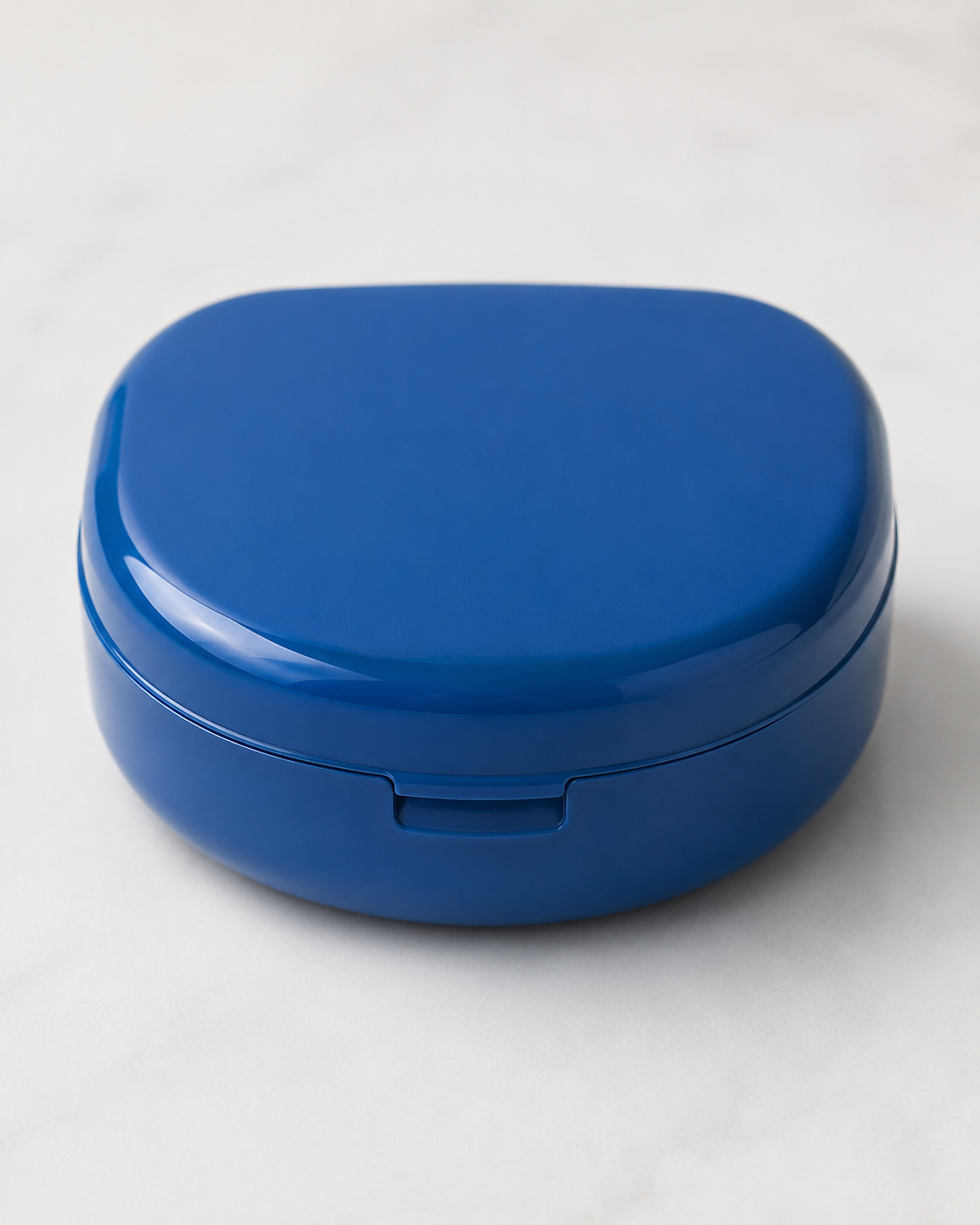
Students who wear clear aligners or removable retainers should always carry a protective case.
Aligners and retainers are frequently lost when they are:
Wrapped in a napkin
Placed on a lunch tray
Left on a bathroom counter
Put loose inside a backpack
Stored in a pocket
A simple rule can help prevent most losses:
If the aligners or retainers are not in your child’s mouth, they should be in their case.
The case should be labeled with your child’s name and a parent’s phone number. Avoid storing aligners or retainers in a hot vehicle because excessive heat may damage or distort the appliance.
8. Orthodontic Mouthguard
Children and teenagers can continue playing sports while wearing braces, but they should use a mouthguard during practices and games.
An orthodontic mouthguard is designed to provide space around the brackets while helping protect the teeth, lips and cheeks. This is different from some traditional mouthguards, which may fit too tightly as the teeth move.
A mouthguard is especially important for contact sports, but dental injuries can happen during many activities, including:
Football
Basketball
Soccer
Volleyball
Wrestling
Softball and Baseball
Cheerleading
Martial arts
Ask our team which type of mouthguard is appropriate for your child’s treatment and sport.
9. Lip Balm
Braces can sometimes make the lips feel dry, particularly during colder months or after an orthodontic adjustment.
A simple, fragrance free lip balm can help your child stay comfortable throughout the school day. Choose a balm that is easy to apply and unlikely to irritate sensitive skin.
Students should avoid sharing lip balm with friends.
10. Refillable Water Bottle
Water is one of the easiest ways to support oral health during the school day.
Drinking water can help rinse away food particles and reduce the amount of residue left around brackets after meals or snacks. It is particularly helpful when your child does not have enough time to brush immediately after eating.
Water is generally a better everyday choice than soda, sports drinks, energy drinks and sweetened beverages, which may expose the teeth to additional sugar and acid.
A refillable water bottle also gives your child an easy way to rinse their mouth after lunch.
What Should Parents Pack for a Braces-Friendly Lunch?
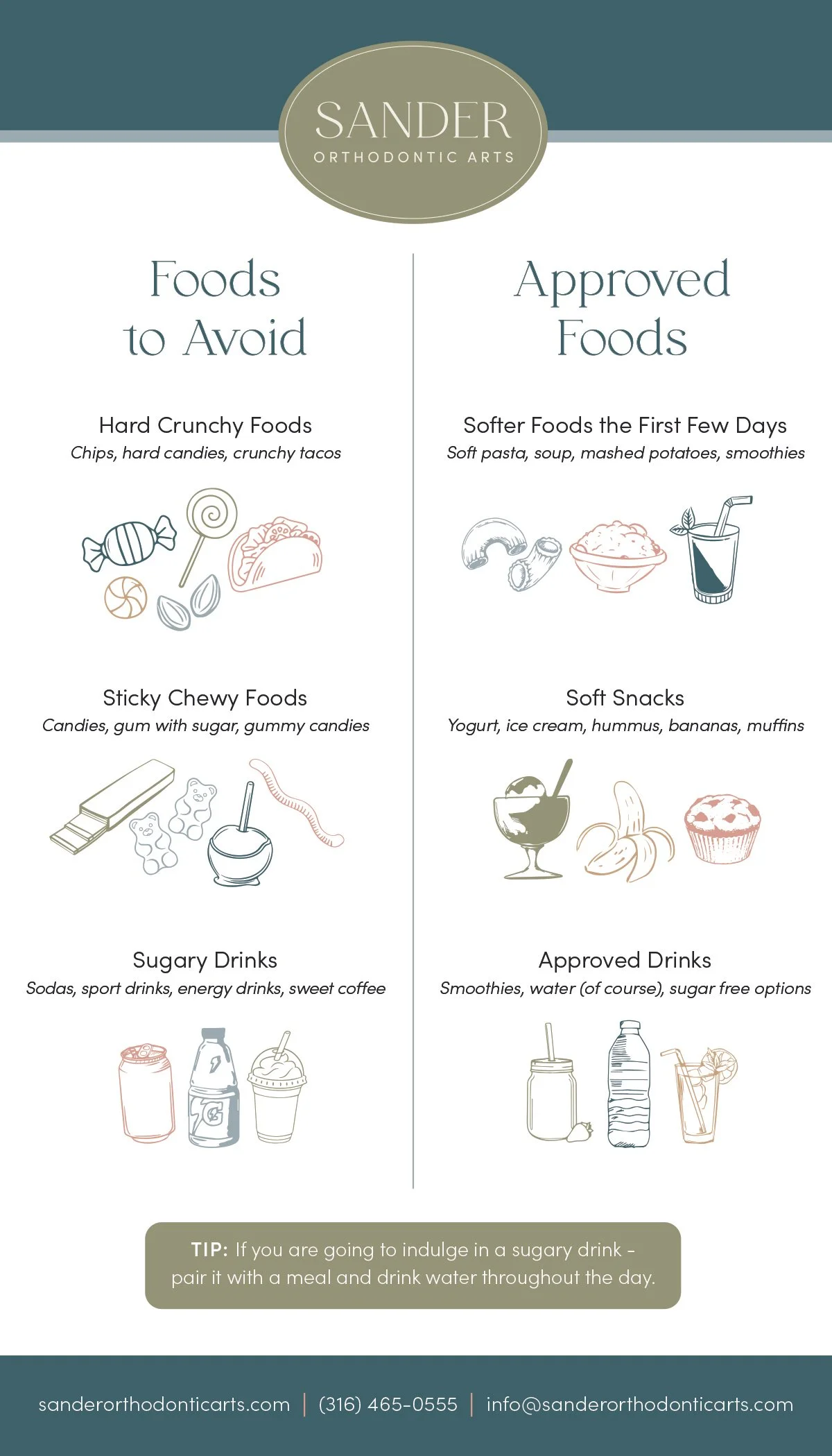
Packing braces-friendly foods can reduce discomfort and help prevent loose or broken brackets.
Students with braces can still enjoy a balanced lunch. The main goal is to avoid foods that are especially hard, sticky or difficult to bite.
Braces-Friendly School Lunch Ideas
Consider packing:
Turkey or chicken sandwiches cut into smaller pieces
Soft wraps
Pasta salad
Rice bowls
Yogurt
Applesauce
Cheese sticks
Bananas
Berries
Cottage cheese
Soft muffins
Cooked vegetables
Sliced peaches or pears
Soft granola bars without hard nuts
Crunchy fruits and vegetables do not always have to be avoided. Apples, carrots and similar foods can often be eaten safely when they are cut into small, bite-sized pieces instead of bitten into directly.
Foods to Avoid With Braces at School
Students with braces should avoid or use caution with:
Popcorn
Caramel
Sticky candy
Chewing gum
Nuts
Ice
Hard chips
Hard pretzels
Corn on the cob
Whole apples
Very chewy bread or bagels
Hard taco shells
Chewing on pens, pencils, fingernails or ice can also damage brackets and wires.
What Should My Child Do if Something Happens to Their Braces at School?
Most school-day orthodontic concerns are uncomfortable rather than dangerous.
If a wire feels irritating, your child can place orthodontic wax over the area. If food is trapped around a bracket, brushing, flossing or using a proxybrush may help.
If a bracket becomes loose, your child should avoid pulling on it. The bracket may remain attached to the wire until our team can evaluate it.
Contact Sander Orthodontic Arts if your child experiences:
A loose or broken bracket
A wire that continues to poke
A damaged appliance
Lost aligners or retainers
Significant discomfort
An injury to the mouth or teeth
We can help determine the appropriate next step based on your child’s situation. Seek immediate medical or dental care for serious injuries, uncontrolled bleeding, difficulty breathing or trauma involving the teeth or jaw.
School Habits That Help Keep Orthodontic Treatment on Track
The supplies in a braces care kit are only helpful when students know how and when to use them.
Encourage your child to:
Brush after meals whenever possible
Brush thoroughly in the morning and before bed
Floss daily
Drink water throughout the day
Avoid hard and sticky foods
Wear rubber bands exactly as instructed
Wear a mouthguard during sports
Keep regular orthodontic and dental appointments
Tell an adult if something feels broken or painful
Treatment progress depends on many factors, including the complexity of the case, oral hygiene, appliance wear and appointment attendance. Following the orthodontist’s instructions can help treatment move as efficiently as possible.
Helping Students Feel Confident With Braces at School
It is normal for children and teenagers to feel nervous about starting school with braces.
They may worry about speaking, eating, smiling for photos or answering questions from classmates. In most cases, these concerns become less noticeable as students adjust to their new routine.
Parents can help by practicing the school-day care routine at home before classes begin. Show your child how to apply orthodontic wax, clean around the brackets and store their aligners or retainer.
Knowing what to do can help your child feel more independent and confident throughout the school day.
Back to School Orthodontic Care at Sander Orthodontic Arts
Choosing an orthodontist is about more than straightening teeth. Families also need clear information and support throughout the treatment process.
At Sander Orthodontic Arts, we take time to help patients understand how to care for braces, clear aligners and retainers at home, at school and during sports.
Every treatment plan is personalized based on the patient’s bite, tooth alignment, growth, oral health and individual needs. Whether your child is preparing to begin treatment or is already wearing braces, our team is here to answer questions and help keep treatment on track.
Frequently Asked Questions About Braces at School
Can my child brush their teeth at school with braces?
Yes. Brushing after lunch can help remove food and plaque from around brackets and wires. A travel toothbrush and fluoride toothpaste can make school-day brushing easier.
What should be included in a braces care kit?
A braces care kit should include a travel toothbrush, fluoride toothpaste, orthodontic flossers, proxybrushes, orthodontic wax, a small mirror and lip balm. Students who wear removable appliances should also carry a labeled aligner or retainer case.
What foods should children with braces avoid at school?
Students should avoid hard, sticky and chewy foods that may loosen brackets or bend wires. Common examples include popcorn, caramel, gum, nuts, ice, hard pretzels and sticky candy.
What should my child do if a wire is poking at school?
Your child can cover the irritating area with orthodontic wax for temporary relief. Contact your orthodontist for guidance if the wire continues to poke or causes significant discomfort.
Can my child play sports with braces?
Yes. Children and teenagers can participate in sports while wearing braces. An orthodontic mouthguard is recommended to help protect the teeth, lips, cheeks and orthodontic appliances.
What happens if my child loses an aligner at school?
Contact your orthodontist before moving to another aligner or returning to an older one. The correct next step depends on the treatment plan and how long the aligner was worn.
Prepare for the School Year With Sander Orthodontic Arts
A well-stocked braces care kit can help your child manage lunchtime cleaning, minor irritation, sports and unexpected concerns with greater confidence.
If your child is preparing for back to school braces or your family has questions about orthodontic treatment, schedule a complimentary consultation with Sander Orthodontic Arts. Our team serves children, teenagers and adults in Wichita, Andover and the surrounding communities.