
Does My Child Need Braces?
7 Signs Parents Should Watch For Before School Starts
As the new school year approaches, many parents wonder, "Does my child need braces?" One of the best times to schedule an orthodontic evaluation is before school starts, when appointments are easier to fit into your family's schedule. In many cases, identifying orthodontic concerns early can make treatment simpler and help support healthy jaw and tooth development.
If you've noticed changes in your child's smile, bite, or chewing habits, these seven signs may indicate it's time to visit an orthodontist.
Why Age 7 Matters for an Orthodontic Evaluation
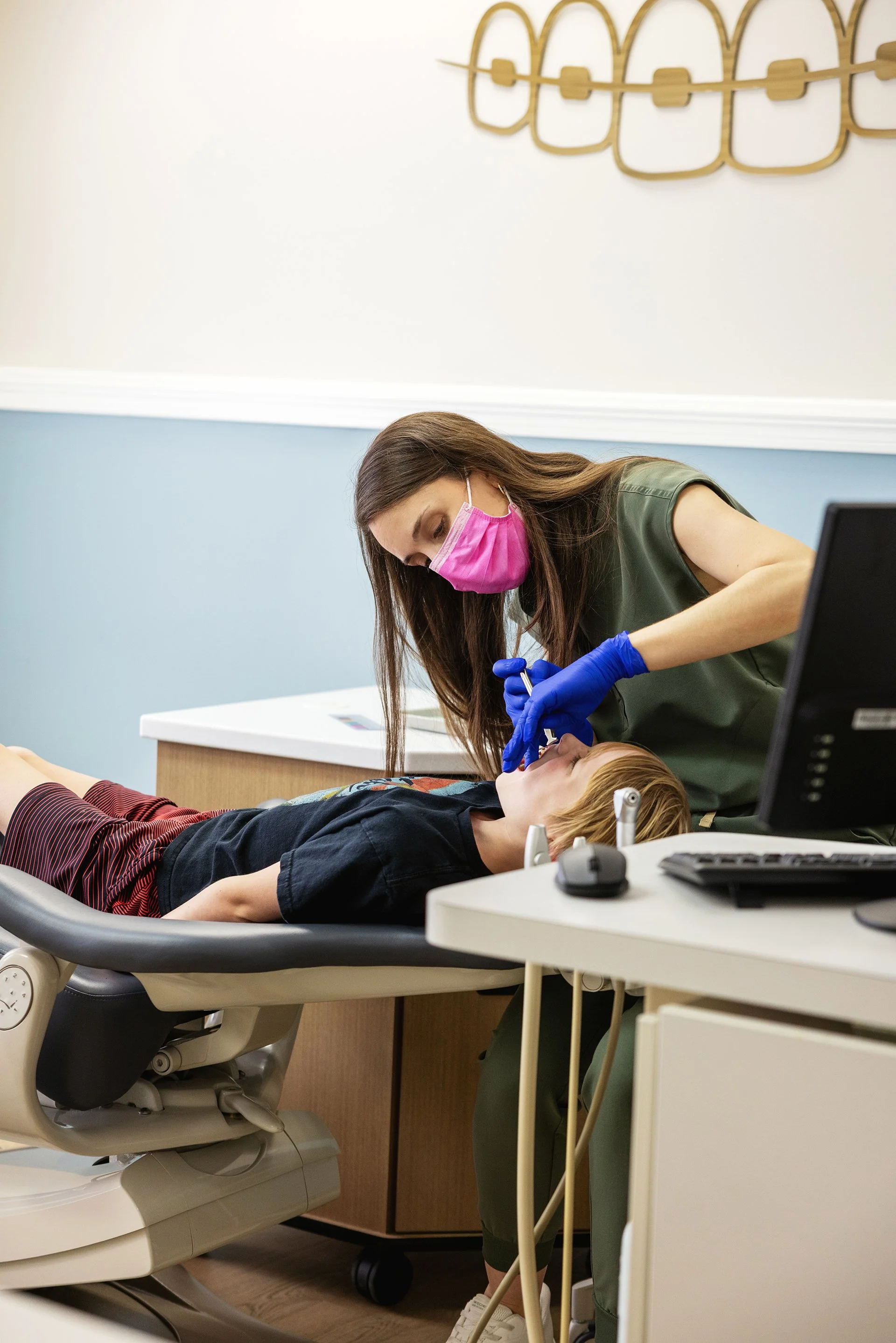
The American Association of Orthodontists recommends children receive their first orthodontic evaluation around age 7. At this stage, children typically have a combination of baby teeth and permanent teeth, allowing an orthodontist to identify developing problems before they become more difficult to treat.
An orthodontic evaluation at age 7 does not automatically mean your child will need braces immediately. Instead, it allows your orthodontist to:
Monitor jaw growth
Evaluate bite development
Identify spacing or crowding problems
Determine the ideal timing for treatment
Reduce the risk of more complex orthodontic issues later
Early monitoring often gives families more treatment options.
1. Crowded Teeth
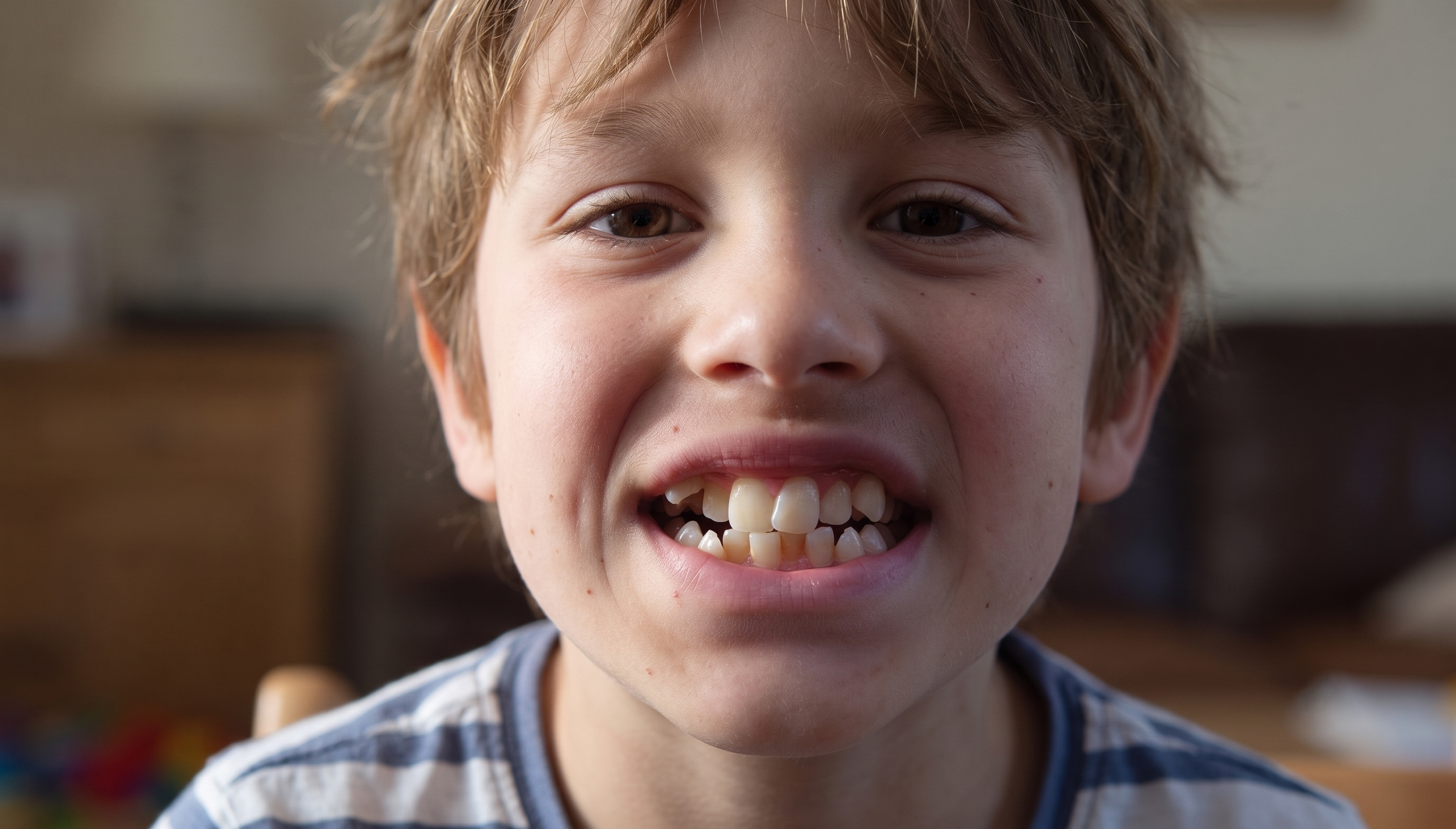
One of the most common signs children may need braces is crowded teeth.
Crowding occurs when there isn't enough space for permanent teeth to erupt properly. Teeth may overlap, rotate, or become difficult to clean.
Signs of crowding include:
Teeth growing behind other teeth
Twisted permanent teeth
Difficulty flossing between teeth
Food frequently getting trapped
Treating crowding early may help guide permanent teeth into better positions while your child's jaw is still developing.
2. An Overbite or Underbite
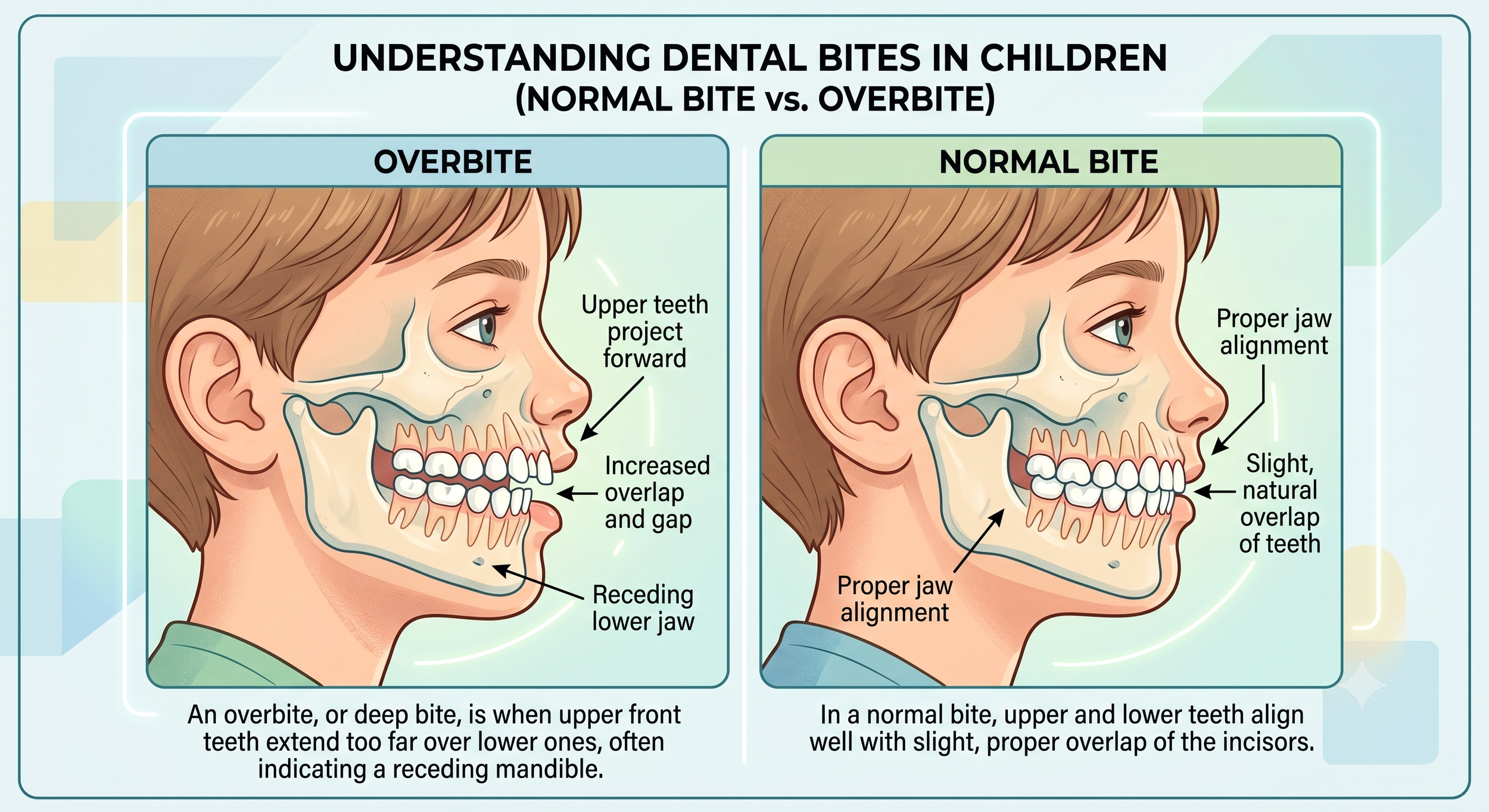
Bite alignment plays an important role in chewing, speaking, and long-term oral health.
Your child may benefit from an evaluation if they have: Overbite
The upper front teeth extend significantly over the lower teeth: Underbite
The lower teeth sit in front of the upper teeth: Crossbite
Some upper teeth bite inside the lower teeth: Open Bite
The front teeth do not touch when the mouth is closed.
Early overbite treatment may help improve jaw development and reduce excessive wear on teeth.
3. Baby Teeth Were Lost Too Early or Too Late
Baby teeth help guide permanent teeth into their proper positions.
If baby teeth are lost much earlier, or remain much longer than expected, permanent teeth may erupt incorrectly or become blocked.
An orthodontist can evaluate whether these changes are affecting future tooth alignment.
4. Mouth Breathing or Thumb Sucking
Certain habits can influence jaw growth over time.
Persistent mouth breathing or prolonged thumb sucking may contribute to:
Narrow dental arches
Bite problems
Changes in facial development
Improper tongue posture
Not every child who has these habits will require braces, but an orthodontic evaluation can determine whether they're affecting dental development.
5. Difficulty Chewing or Biting
Children should generally be able to chew comfortably without jaw discomfort or difficulty biting into food.
Signs that deserve attention include:
Frequently biting the cheeks
Trouble chewing certain foods
Jaw clicking
Jaw shifting while chewing
Complaints of discomfort when eating
These symptoms may indicate bite alignment issues that benefit from professional evaluation.
6. Teeth That Don't Line Up Properly
When your child closes their mouth, the upper and lower teeth should fit together comfortably.
If you notice:
Teeth that don't meet evenly
Teeth that appear shifted
A jaw that looks off-center
One side of the bite touching before the other
an orthodontist can determine whether treatment is recommended.
7. Your Family Dentist Recommended an Evaluation
Many children are referred to orthodontists during routine dental visits.
Your general dentist may notice developing concerns before they become obvious to parents.
Following that recommendation early often allows the orthodontist to monitor growth and determine the ideal treatment timeline.
Benefits of Early Orthodontic Treatment
Not every child evaluated at age seven begins braces immediately. In many cases, the orthodontist simply monitors growth over time.
When early treatment is appropriate, potential benefits may include:
Improved jaw development
Better eruption of permanent teeth
Reduced crowding
Lower risk of impacted teeth
Improved bite function
Potentially shorter future orthodontic treatment
Easier oral hygiene
Treatment recommendations always depend on each child's individual growth and development.
When Should Parents Schedule an Evaluation?
If your child is around age seven or you've noticed any of these warning signs, it's worth scheduling an orthodontic consultation.
A comprehensive evaluation can help determine:
Whether treatment is needed now
Whether monitoring is the best option
The most appropriate timing for future care
Early evaluations provide valuable information, even when immediate braces are not recommended.
Frequently Asked Questions
Does every 7-year-old need braces?
No. Many children only need monitoring after their first orthodontic evaluation. The appointment helps identify developing issues and determine the right timing for treatment if needed.
What is the best age for an orthodontic evaluation?
Most orthodontists recommend an evaluation around age seven because permanent teeth and jaw growth can be assessed together.
How do I know if my child's teeth are too crowded?
Overlapping teeth, twisting, teeth erupting behind others, or difficulty flossing can all be signs of crowding. An orthodontist can determine whether treatment is needed.
Can an overbite correct itself?
Some bite changes occur naturally as children grow, but significant overbites often require orthodontic monitoring or treatment. An evaluation helps determine the best approach.
Does early orthodontic treatment prevent braces later?
Not always. Early treatment may reduce the severity of future problems, but some children still benefit from braces during their teen years.
How long does an orthodontic evaluation take?
Most new patient evaluations take about 30 to 60 minutes and include an examination, imaging when needed, and a discussion of treatment recommendations.

Conclusion
If you've been asking, "Does my child need braces?", scheduling an early orthodontic evaluation can provide peace of mind and help identify concerns before they become more complicated. Whether your child needs treatment now or simply periodic monitoring, an evaluation around age seven is an important step toward supporting a healthy smile.
Schedule an Orthodontic Evaluation
If your child is showing any of these signs or has reached age seven, our team is here to help. We'll perform a comprehensive evaluation, explain our findings, and recommend the right next steps based on your child's individual needs.
Call our office or schedule an orthodontic consultation today.
Reviewed By
This article was reviewed by a licensed orthodontic professional to help ensure the information is accurate and reflects current orthodontic recommendations. Individual treatment recommendations vary based on each child's growth, bite, and oral health.