
Using Your FSA or HSA for Braces Before the 2026 Deadline: A Guide for Andover and Wichita Families
By Dr. Kristen Sander, DDS, MS, orthodontist and founder of Sander Orthodontic Arts · Updated October 2026
Yes, you can use your FSA or HSA for braces and clear aligners, and you can use those funds alongside your dental insurance. IRS Publication 502 lists braces as eligible dental treatment, which makes orthodontic care a qualified expense for both account types.
"Yes, you can use FSA and HSA funds for braces and aligners, and yes, you can use them with your insurance." — Dr. Kristen Sander
The timing matters. Many flexible spending accounts run on the calendar year, so funds set aside for 2026 may expire after December 31. For Andover and Wichita families considering treatment, October through December is a natural window to schedule a consultation, begin care, and put this year's dollars toward a smile that lasts.
Here's what to know before the year closes.
Can I use my FSA for braces?
Yes. FSA and HSA administrators follow IRS Publication 502, which treats braces as dental care. HSA and FSA eligible orthodontic expenses typically include:
Traditional metal and clear ceramic braces
Clear aligners prescribed to correct alignment or bite
Retainers and appliances that are part of your treatment plan
Diagnostic records and X-rays
There's no age limit, so adult treatment qualifies just as a teen's does. Purely cosmetic care, like teeth whitening, is not eligible.
Because treatment spans many months, FSA plans reimburse orthodontia in one of two ways: a lump-sum payment made up front, or each payment as you make it. Your plan administrator can confirm which applies, and our Andover team can provide the treatment contract and receipts they'll request.
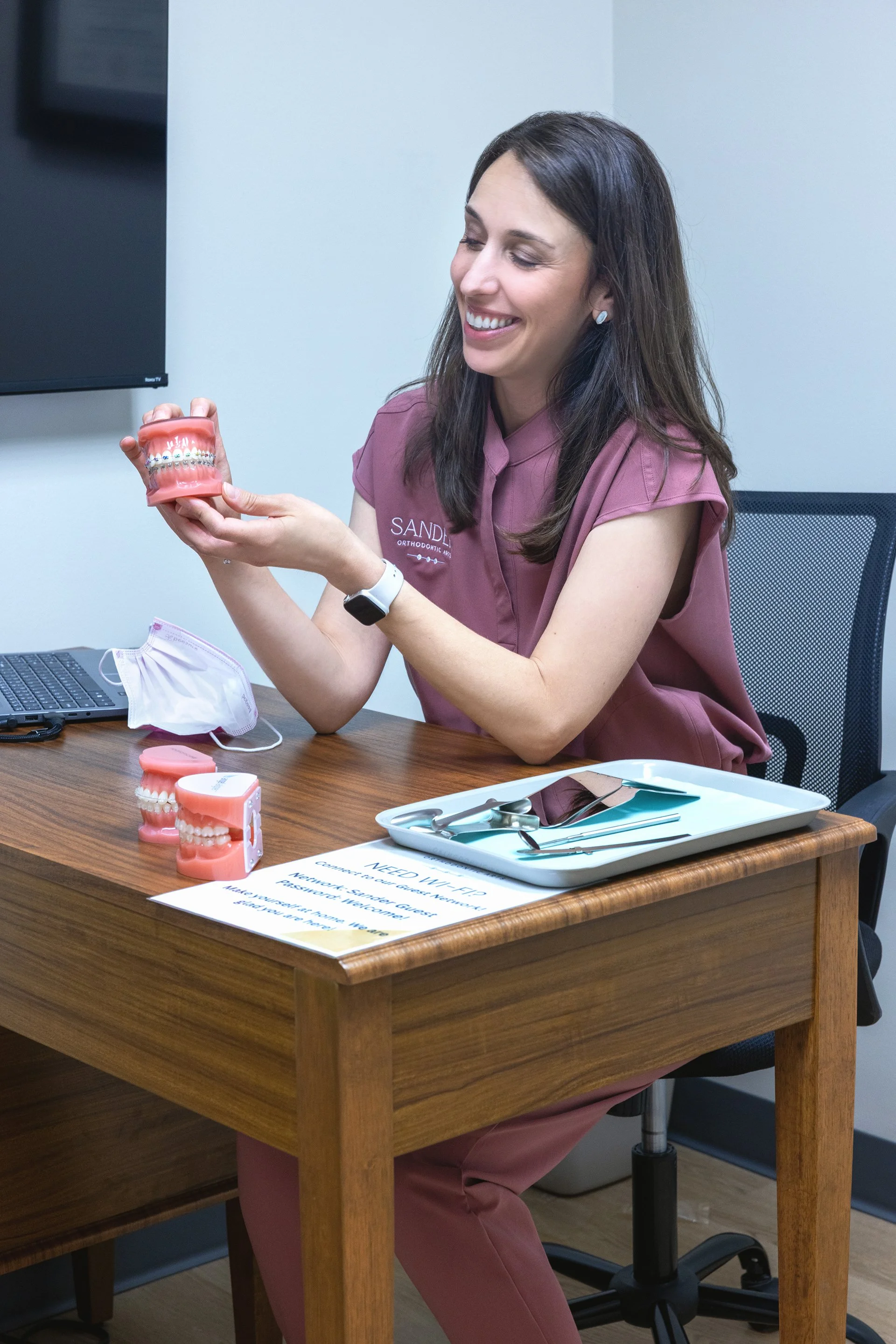
What happens if I don't use my FSA funds before the 2026 deadline?
Unspent FSA funds are generally forfeited when the plan year ends. That's the "use it or lose it" rule, and it's why the last few months of the year deserve attention.
Employers can soften the deadline in one of two ways, but a plan can offer only one:
A carryover of a limited amount into next year, capped at $680 for 2026 plan years under IRS Revenue Procedure 2025-32.
A grace period of up to two and a half months after the plan year ends.
Your employer may offer either option, or neither. Not every plan follows the calendar year, so confirm your exact date in your benefits portal or with HR.
What's the difference between an FSA and HSA for orthodontics?
Both let you pay for orthodontic treatment with pre-tax dollars. The real difference is whether your money comes with a deadline.
| Feature | FSA | HSA |
|---|---|---|
| Who can use one | Offered through an employer | Requires a qualifying high-deductible health plan |
| Do funds expire? | Generally yes, at plan year end | No, funds roll over and stay with you |
| 2026 contribution limit | $3,400 per employee | $4,400 individual / $8,750 family |
| Covers braces and aligners? | Yes | Yes |
2026 limits per IRS inflation adjustments; your employer may set a lower FSA limit.
If you have an HSA, there's no year-end rush. It's simply a tax-advantaged way to pay for treatment when the timing feels right.
Can I use my FSA and dental insurance together?
Yes, and many families do. If your dental plan includes orthodontic coverage, insurance pays its portion first, often up to a lifetime maximum. Your FSA or HSA can then cover what remains, whether that's a down payment, monthly payments, or your out-of-pocket balance.
The one rule: you can't claim the same dollar twice. Anything your insurance reimburses can't also be paid from your FSA or HSA.
Before treatment begins, our team can help you understand your orthodontic benefits and how they work with your account, so the numbers feel settled before your first appointment.
Is Invisalign FSA or HSA eligible?
Yes. Clear aligners, including well-known brands like Invisalign, are eligible for flexible spending account and HSA funds when prescribed to correct alignment or bite, just as braces are. Many dental plans with orthodontic coverage treat aligners the same way, though it's worth confirming with your provider.
At Sander Orthodontic Arts, our clear aligner option is Angel Aligners, a discreet, removable system Dr. Sander plans around each patient's individual smile. The same FSA, HSA, and insurance rules apply.
What payment options does an Andover orthodontist offer?
At Sander Orthodontic Arts, every new patient starts with a complimentary consultation, where we walk every family through costs, insurance, and account funds before treatment begins, so your plan fits your budget as thoughtfully as it fits your smile.
Why is October a good time to start orthodontic treatment?
An orthodontic expense generally needs to fall within your plan year to be paid from this year's FSA, so starting in the fall leaves time to put 2026 funds to work.
A simple path forward:
Check your balance and deadline with your benefits administrator.
Schedule a consultation at our Andover office, a short drive from Wichita. Dr. Sander will listen to your goals, evaluate your smile, and provide a clear treatment plan and cost estimate.
Ask how your plan reimburses orthodontia, either up front or per payment.
Plan ahead at open enrollment. If treatment continues into 2027, consider electing enough in next year's FSA to cover remaining payments.
One honest note: treatment should begin because it's right for you, not only because a deadline is near. A consultation simply gives you what you need to decide while this year's funds are still available.
Explore braces and Angel Aligners in Andover, or book a complimentary consultation with Dr. Sander.
Frequently asked questions
When is the FSA deadline for braces in 2026?
For calendar year plans, unused 2026 FSA funds generally expire December 31, 2026. If your plan offers a grace period, you may have until March 15, 2027. Check your plan documents for your exact date.
Can I use my FSA for my child's braces?
Yes. FSA and HSA funds can pay for eligible orthodontic treatment for you, your spouse, and your dependents.
Can I prepay for braces with my FSA?
Some FSA plans reimburse a lump sum orthodontic prepayment, while others reimburse each payment as it's made. Your plan administrator can tell you which rule applies.
Are retainers FSA eligible?
Yes. Retainers that are part of orthodontic treatment are an eligible FSA and HSA expense.
Do HSA funds expire at the end of the year?
No. HSA funds roll over from year to year and stay with you, even if you change jobs.
Do I need an in-network orthodontist to use my FSA or HSA?
No. FSA and HSA funds can be used with any licensed orthodontist, including Sander Orthodontic Arts in Andover, regardless of your insurance network.
About the author
Dr. Kristen Sander, DDS, MS, is an orthodontist and the founder of Sander Orthodontic Arts in Andover, Kansas. She has practiced orthodontics since 2016 and opened Sander Orthodontic Arts in 2025, guided by the belief that orthodontics is both a science and an art. The practice holds a 5-star rating on Birdeye and was nominated for Best of Wichita 2026. Meet Dr. Sander
Sander Orthodontic Arts · 105 S. Andover Rd., Suite G, Andover, KS 67002 · 316-465-0555
This article is general information, not tax advice. Your plan's specific rules apply.
