
Searching "Kids Braces Near Me"? Here's What Parents in Andover & Wichita Should Know
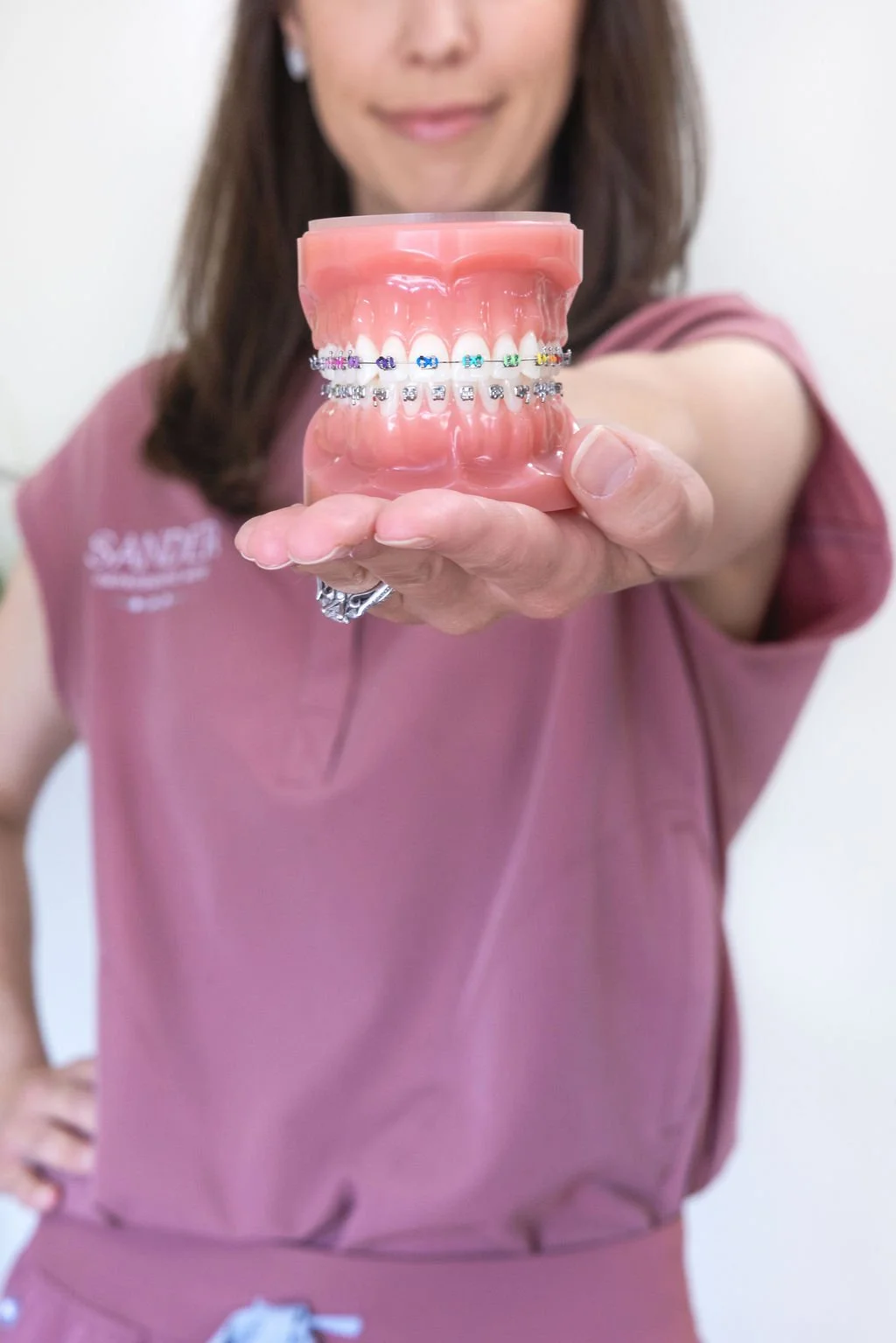
If you're searching for "kids braces near me," chances are you've noticed something about your child's smile that has you wondering whether orthodontic treatment may be needed. Maybe their teeth look crowded, a permanent tooth is coming in crooked, or you've been told by your family dentist that an orthodontic evaluation could be beneficial.
For parents in Wichita, Andover, and surrounding Kansas communities, understanding when to schedule an orthodontic evaluation can help prevent more complex problems later while giving your child the best opportunity for a healthy, confident smile.
At Sander Orthodontic Arts, we regularly help families determine whether a child needs braces now, later, or simply needs growth monitoring. The good news is that early orthodontic evaluations don't always lead to immediate treatment—but they do provide valuable information about your child's developing smile.
When Should a Child Get Braces?
Most children should receive their first orthodontic evaluation around age 7. At this age, orthodontists can identify crowding, bite problems, jaw growth concerns, and eruption issues before they become more difficult to treat. While many children will not need immediate braces, early evaluation helps determine the ideal timing for treatment.
The American Association of Orthodontists recommends children see an orthodontist by age 7 because important developmental changes are already taking place.
By this age, children typically have:
Permanent first molars
Permanent front teeth
A mix of baby and permanent teeth
Enough growth remaining to guide jaw development if needed
Learn more about orthodontic recommendations from the American Association of Orthodontists:
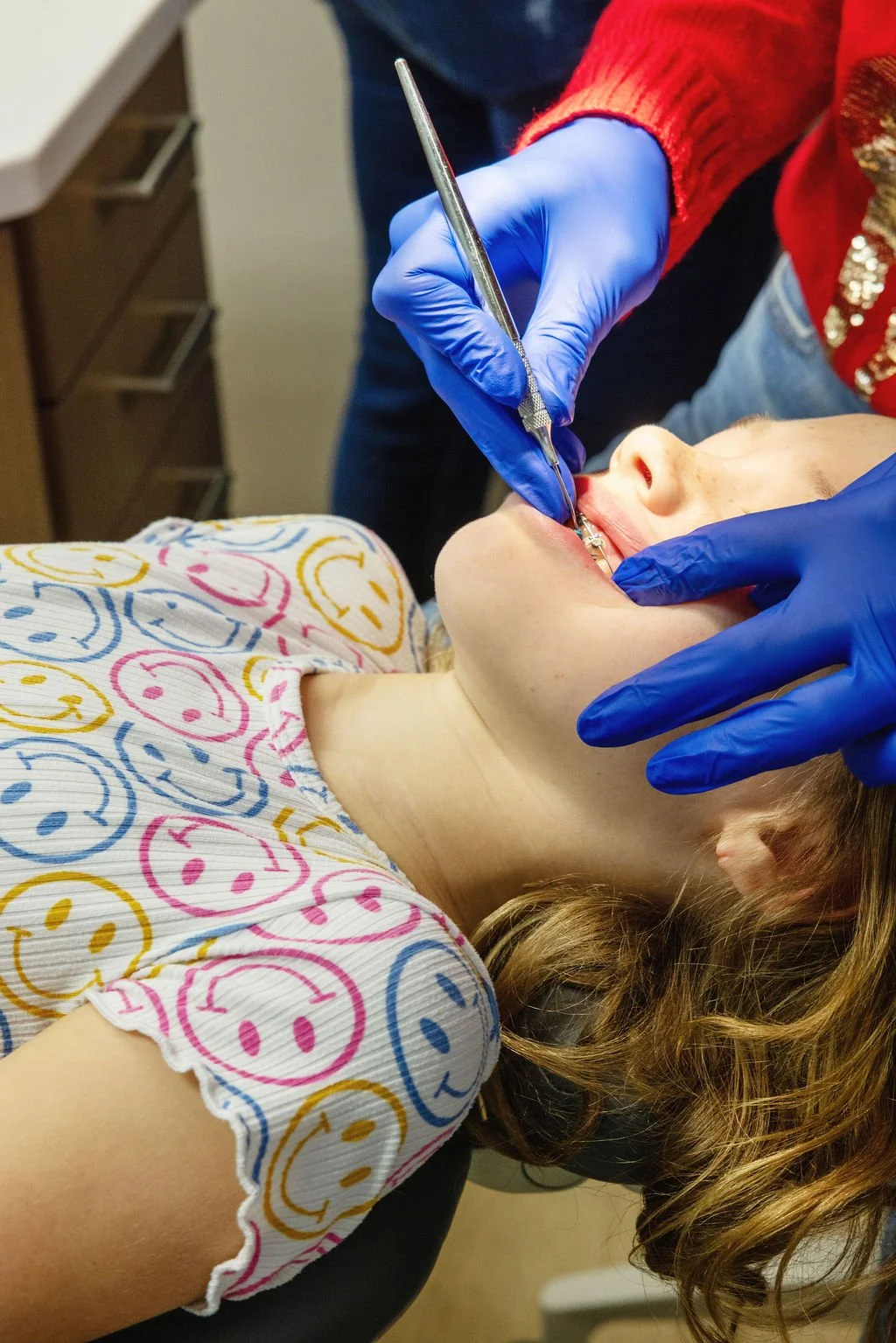
Signs Your Child May Need Braces
Many orthodontic issues develop gradually, making them difficult for parents to recognize.
Some of the most common signs include:
Crowded Teeth
Crowding is one of the leading reasons children require braces. Teeth may overlap, rotate, or erupt out of position when there isn't enough room in the jaw.
Lack of Spacing Between Baby Teeth
Parents are often surprised to learn that spacing between baby teeth is actually a good thing. Permanent teeth are much larger and need adequate room to emerge properly.
Underbite or Overbite
Bite problems can affect:
Chewing
Speech development
Tooth wear
Jaw function
Crossbite or Narrow Upper Jaw
If your child's upper back teeth fit inside the lower back teeth rather than outside them, this may indicate a crossbite or narrow upper jaw that could benefit from early treatment.
Mouth Breathing and Chronic Snoring
Persistent mouth breathing and snoring may sometimes be associated with jaw development and airway concerns that deserve evaluation.
Permanent Teeth Coming In Crooked
When permanent teeth erupt in unusual positions, it may signal crowding or space deficiencies.
Baby Teeth Not Falling Out
Delayed tooth loss can sometimes prevent permanent teeth from erupting properly.
Why Wichita and Andover Parents Often Schedule Orthodontic Consultations During Summer
Summer is one of the busiest times for orthodontic evaluations in Wichita and Andover.
Parents often prefer to begin treatment during summer break because:
Children can adjust to braces before school starts
Fewer scheduling conflicts occur
School pictures and activities are easier to plan around
Sports schedules may be lighter
Families have more flexibility for appointments
Starting treatment before the school year often makes the transition smoother for both parents and children.
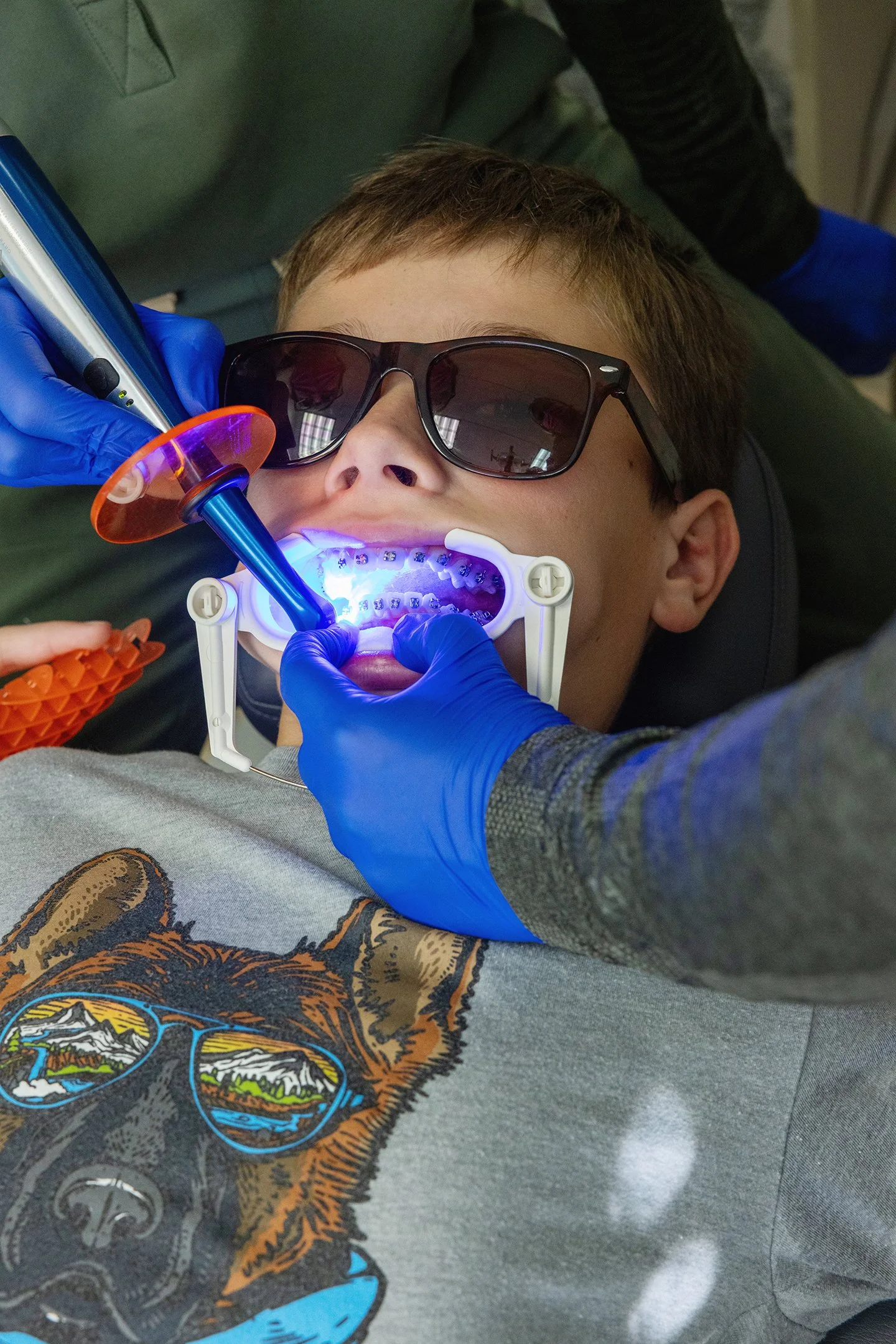
What Is Phase 1 Orthodontic Treatment?
One of the most common questions parents ask is:
"Does my child need braces now, or should we wait?"
The answer depends on the specific problem being addressed.
What Is Phase 1 Treatment?
Phase 1 treatment is early orthodontic treatment performed while some baby teeth are still present.
The goal isn't necessarily to straighten every tooth. Instead, Phase 1 focuses on correcting issues that may become significantly more difficult if left untreated.
Common reasons for Phase 1 treatment include:
Severe crowding
Crossbites
Narrow upper jaws
Significant overbites
Underbites
Blocked-out permanent teeth
Jaw growth discrepancies
Why Early Treatment Matters
Some orthodontic concerns are easier to correct while a child is actively growing.
Early treatment may:
Guide jaw development
Create space for permanent teeth
Reduce future treatment complexity
Improve bite function
Help avoid impacted teeth
Improve facial development
Not every child needs Phase 1 treatment, but identifying problems early allows families to make informed decisions.
What Is Comprehensive Orthodontic Treatment?
Comprehensive treatment is what most people think of when they hear the word "braces."
This phase usually occurs once all permanent teeth have erupted.
The goal is to:
Align all permanent teeth
Correct bite issues
Improve smile aesthetics
Enhance oral health
Improve chewing efficiency
Many children who complete Phase 1 treatment still need comprehensive treatment later. However, Phase 2 treatment is often shorter and more predictable because larger developmental concerns have already been addressed.
If no significant concerns exist during childhood, many patients can simply wait until comprehensive treatment is appropriate.
How Early Orthodontic Treatment Can Prevent Bigger Problems Later
Growth is one of the most powerful tools an orthodontist can use.
When developmental issues are identified early, orthodontists can often guide growth rather than simply react to problems later.
Early treatment may help prevent:
Severe Crowding
Creating space early can improve eruption patterns and reduce future complications.
Impacted Teeth
Some permanent teeth become trapped beneath the gums due to crowding or positioning.
Jaw Growth Problems
Underbites, crossbites, and narrow upper jaws often respond best when treated during active growth.
More Complex Future Treatment
Addressing growth concerns early may reduce the need for more extensive treatment later.
How Much Do Braces Cost in Wichita and Andover?
Cost is one of the most common concerns parents have when researching braces.
While every treatment plan is different, general Kansas orthodontic costs often fall within these ranges:
Phase 1 Treatment
Approximately: $3,000–$5,000
Comprehensive Orthodontic Treatment
Approximately: $5,000–$7,000
Factors that influence cost include:
Treatment complexity
Treatment duration
Appliances used
Bite correction needs
At Sander Orthodontic Arts, we understand orthodontic treatment is an investment for families. That's why we offer:
Flexible payment plans
In-house financing
Zero-interest financing options
Insurance benefit coordination
Many orthodontic practices also provide credits toward future Phase 2 treatment if Phase 1 treatment was completed.

How Long Does Orthodontic Treatment Take?
Every child develops differently.
Typical treatment timelines include:
Phase 1 Treatment
Approximately 12 months
Comprehensive Treatment
Typically 18–24 months or longer
Treatment length depends on:
Growth patterns
Bite correction needs
Severity of crowding
Patient cooperation
Appliance type
What Happens During Your Child's First Orthodontic Consultation?
Many parents aren't sure what to expect during their first visit.
A consultation typically includes:
Review of dental and medical history
Examination of teeth and bite
Digital images and diagnostic records
Evaluation of jaw growth
Discussion of treatment options
Timeline recommendations
Financial review
In many cases, the recommendation is simply to monitor growth and reevaluate later.
An orthodontic consultation provides valuable information even when treatment is not immediately necessary.
Why Families Choose Sander Orthodontic Arts
When searching for a Wichita orthodontist or Andover braces provider, parents want confidence that their child is receiving expert care.
Families choose Sander Orthodontic Arts because of our commitment to:
Individualized treatment plans
Early growth assessment
Advanced orthodontic technology
Comfortable patient experiences
Flexible financing solutions
Honest treatment recommendations
Long-term smile health
Our approach focuses on treating each patient based on their unique needs—not according to a predetermined treatment timeline.
Visit our website to learn more:
https://www.sanderorthodonticarts.com/
Frequently Asked Questions About Kids Braces
Does every child need braces?
No. Many children simply benefit from monitoring until the ideal treatment time arrives.
Can a child get braces with baby teeth still present?
Yes. Certain orthodontic concerns are best addressed while some baby teeth remain.
What happens if we wait too long for braces?
Some growth-related issues become more difficult to correct once growth slows or stops.
Can braces fix an overbite?
Yes. Overbites are one of the most common orthodontic concerns successfully treated with braces.
Will my child need teeth removed before braces?
Not necessarily. Every case is different, and modern orthodontics often provides alternatives depending on growth and spacing.
Does mouth breathing affect orthodontic treatment?
Mouth breathing may be associated with jaw development and bite concerns that warrant orthodontic evaluation.
Is age 7 too young to see an orthodontist?
No. Age 7 is the recommended age for a first orthodontic evaluation.
Are braces painful?
Most patients experience mild soreness after adjustments, but modern orthodontic treatment is more comfortable than many people expect.
Schedule Your Child's Orthodontic Evaluation Today
If you've been searching for kids braces near me, now is the perfect time to schedule an orthodontic evaluation.
Whether you're concerned about crowded teeth, bite issues, delayed eruption, or simply want peace of mind, an early evaluation can help identify concerns before they become more complex.
At Sander Orthodontic Arts, we're proud to serve families throughout Wichita, Andover, and surrounding Kansas communities with personalized orthodontic care focused on healthy, confident smiles.
Contact our team today to schedule a consultation and learn what treatment options may be right for your child.