
What Happens If You Don’t Wear Your Retainer? (Short + Long-Term Effects)
You stopped wearing your retainer for a few weeks… maybe a few months… and suddenly your teeth don’t look quite the same.
Your retainer feels tight. One tooth looks slightly crooked again. Maybe there’s a small gap developing that wasn’t there before.
If this sounds familiar, you’re not alone.
At Sander Orthodontic Arts, we regularly help patients throughout Wichita, KS and Andover, KS who are surprised by how quickly teeth can shift after braces or Invisalign®. Many people assume orthodontic treatment is permanent once braces come off, but the reality is that retainers play a critical role in protecting your smile long-term.
The truth is simple: straight teeth require maintenance.
Without consistent retainer wear, teeth naturally begin moving over time; a process called orthodontic relapse.
Why Wearing Your Retainer Matters
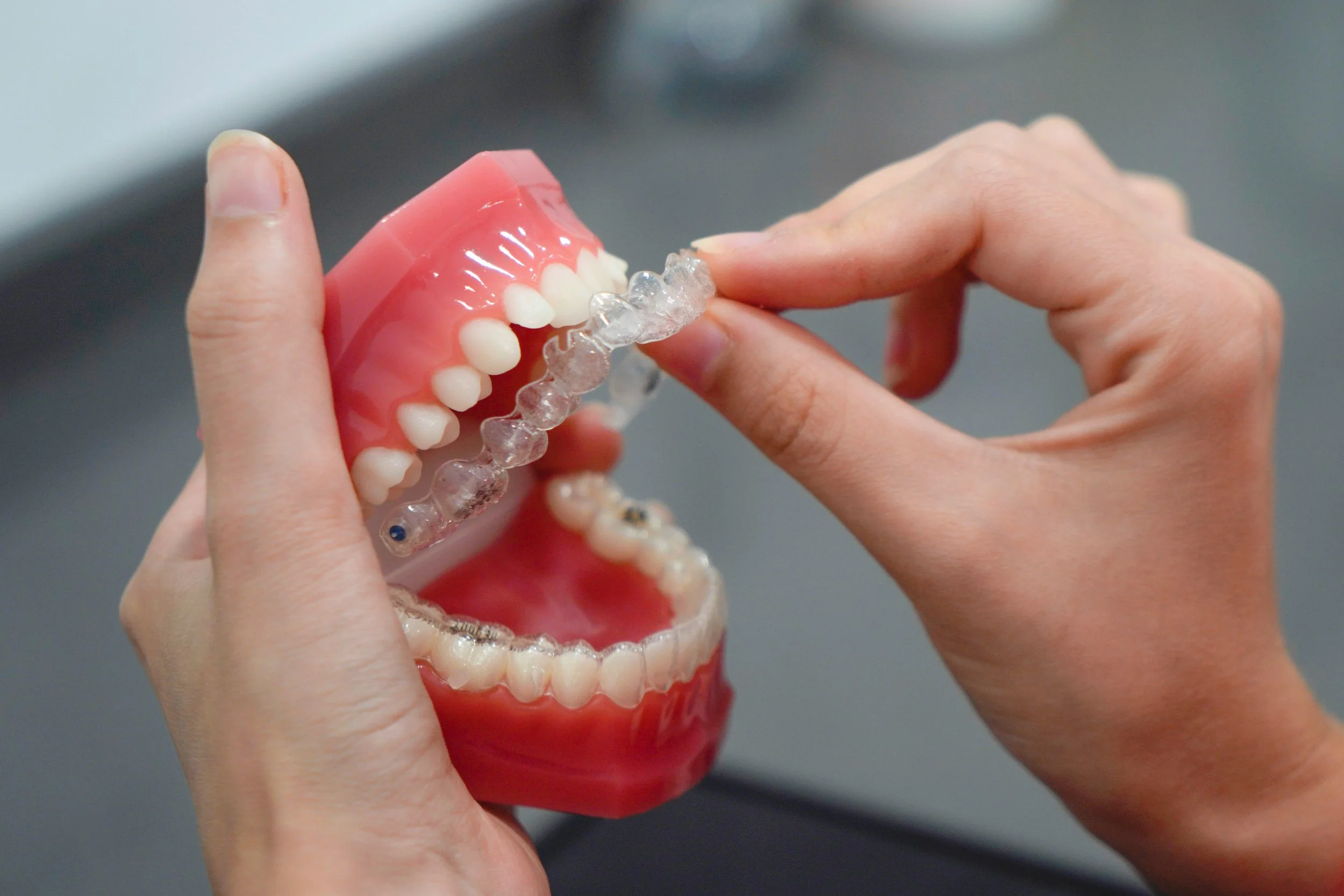
Orthodontic treatment carefully moves teeth into healthier, more functional positions. However, your teeth, gums, bone, and supporting tissues need time to stabilize after braces or Invisalign treatment ends.
This phase is called orthodontic retention.
Without proper retention, teeth may gradually drift back toward their original positions.
Retainers help protect against:
Crowding returning
Spaces reopening
Tooth rotation
Bite changes
Orthodontic relapse
Long-term shifting with age
For patients throughout Wichita and Andover, long-term retainer wear is one of the most important parts of maintaining orthodontic results.
How Fast Do Teeth Shift Without a Retainer?
Teeth can begin shifting surprisingly quickly after orthodontic treatment, especially during the first several months after braces or Invisalign®.
Some patients notice:
Tight retainers after only a few missed nights
Minor crowding within weeks
Visible shifting after several months
Changes in bite alignment over time
The speed of tooth movement depends on several factors, including:
How recently treatment ended
Severity of original crowding
Bite stability
Genetics
Teeth grinding or clenching
Consistency of retainer wear
Many Wichita Invisalign patients are surprised by how quickly even small lapses in retainer wear can affect alignment.
Why Teeth Naturally Want to Shift Back
One of the biggest misconceptions about orthodontics is that teeth become permanently “locked” into place after treatment.
In reality, teeth remain biologically capable of movement throughout life.
Gingival Fibers and “Tooth Memory”
The gingival fibers surrounding the teeth can retain memory of the teeth’s previous positions. These fibers may continue applying pressure even after braces are removed, especially in teeth that were significantly rotated before treatment.
This is one reason lower front teeth are particularly prone to relapse without long-term retainer wear.
Teeth that commonly relapse include:
Rotated teeth
Crowded lower front teeth
Teeth with spacing issues
Teeth requiring major movement during treatment
This biologic tendency toward relapse is why orthodontists strongly recommend continued retainer wear.
What Happens If You Stop Wearing Your Retainer for a Few Days?
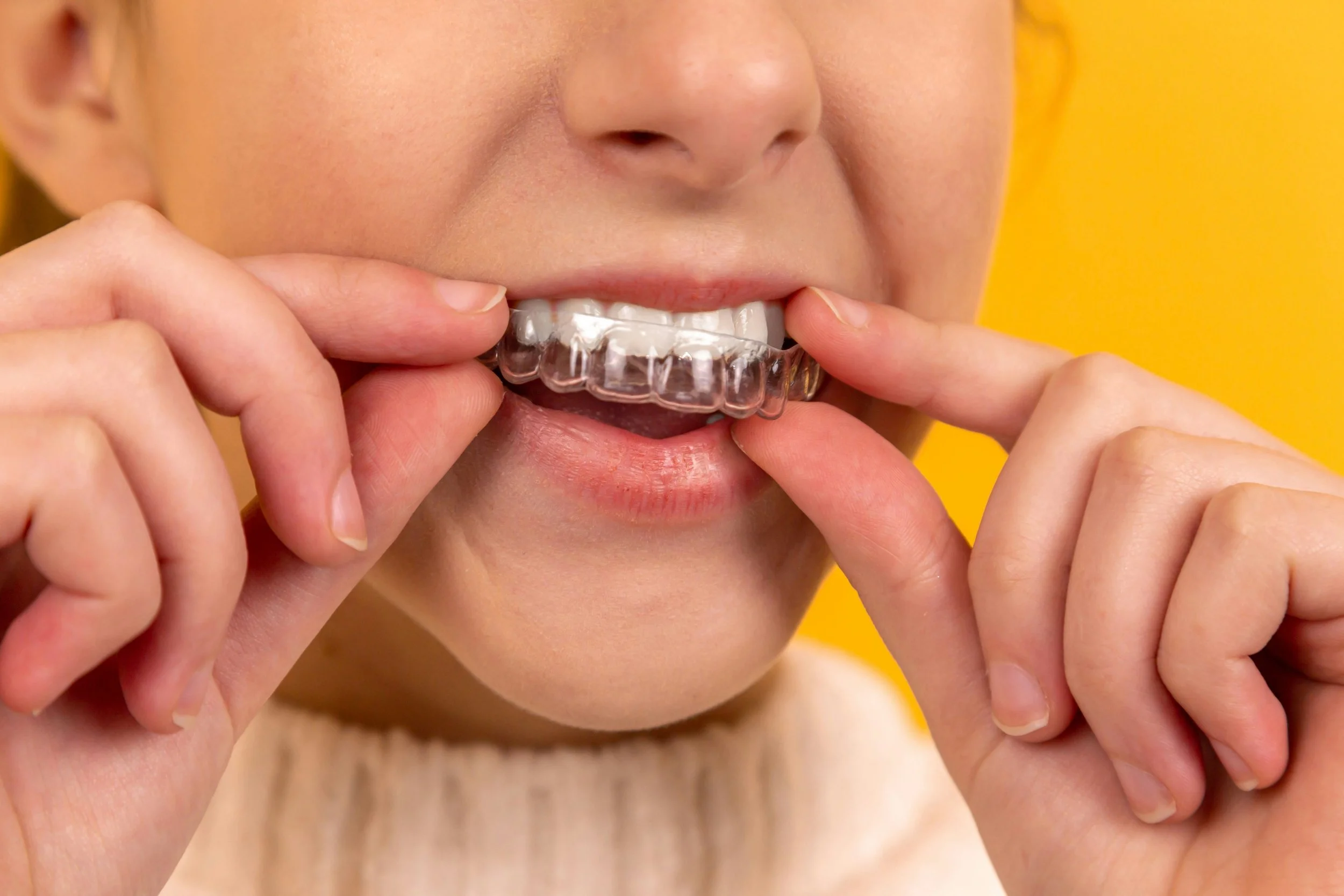
Short-term lapses are extremely common.
If you stop wearing your retainer briefly, your teeth may begin drifting slightly. When you put the retainer back in, it will often feel:
Tight
Snug
Slightly uncomfortable
More difficult to seat fully
In many cases, this means minor movement has already occurred.
The good news is that if the shifting is still mild, consistent retainer wear may help guide the teeth back into position.
Patients throughout Kansas frequently ask:
“If my retainer feels tight, does that mean my teeth moved?”
Usually, yes.
A tight retainer is often one of the earliest signs of orthodontic relapse.
What Happens If You Stop Wearing Your Retainer for Weeks or Months?
The longer retainers are not worn, the greater the likelihood of noticeable tooth movement.
Over time, patients may develop:
Crowding
Rotated teeth
New gaps or spacing
Midline shifting
Bite changes
Increased overlap of teeth
At this stage, the retainer may no longer fit comfortably, or may stop fitting entirely.
Many patients wish they had addressed shifting sooner, since early relapse is often easier to correct than advanced orthodontic movement.
What To Do If Your Retainer No Longer Fits
If your retainer no longer seats properly, forcing it into place is not recommended.
A retainer that no longer fits may indicate:
Significant tooth movement
Rotational relapse
Bite changes
Orthodontic instability
If this happens:
Do not force the retainer into place
Contact your orthodontist promptly
Avoid waiting weeks or months
Bring your retainer to your appointment
Early evaluation may prevent the need for more extensive orthodontic retreatment.
Patients throughout Wichita and Andover often seek orthodontic consultations after realizing their old retainers no longer work.
Long-Term Effects of Not Wearing Your Retainer
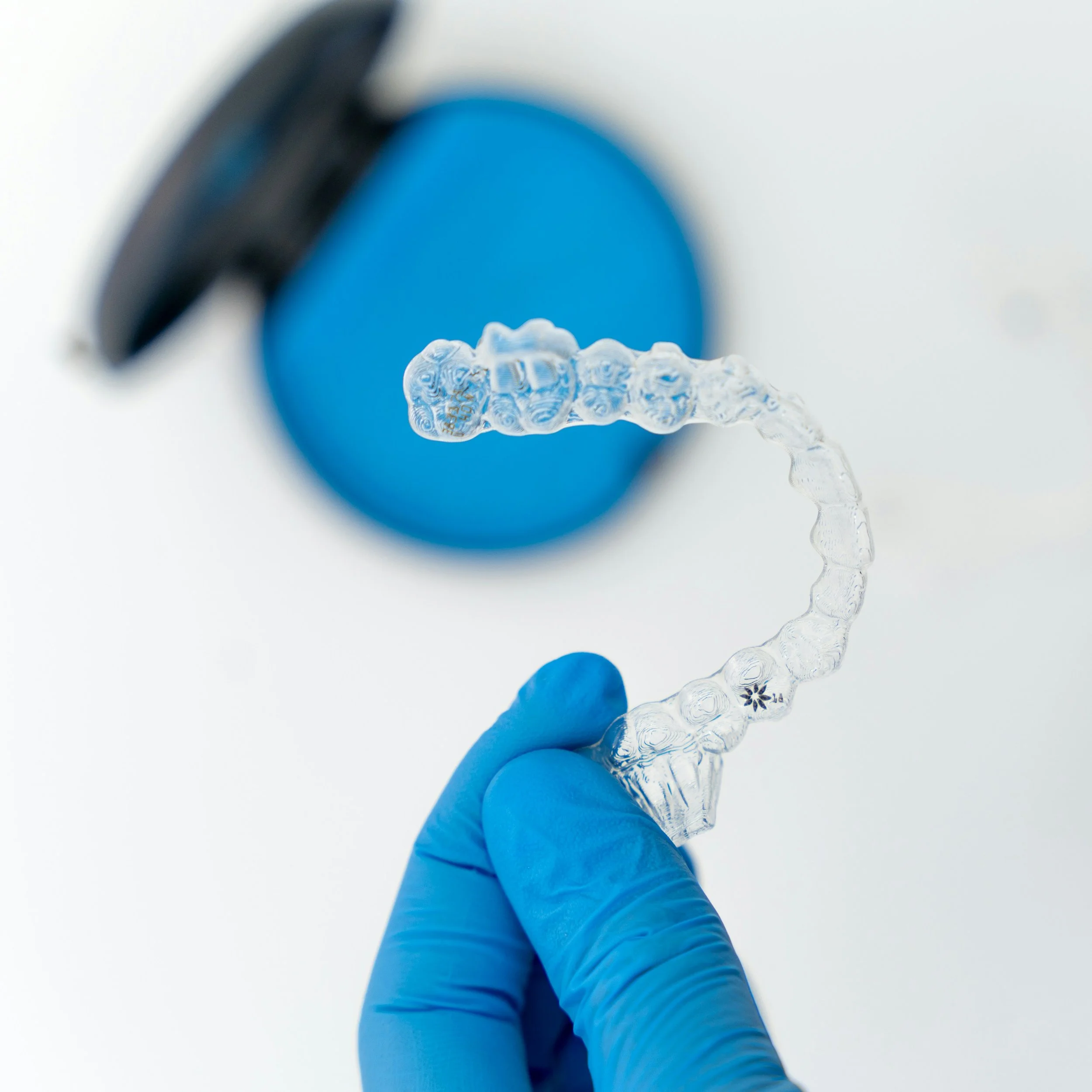
Orthodontic relapse becomes more difficult to reverse over time.
Crowding Can Return
One of the most common long-term effects is lower incisor crowding: shifting among the lower front teeth.
Even small amounts of movement can:
Affect smile aesthetics
Make flossing more difficult
Trap plaque more easily
Increase gum irritation
This is one reason retainers remain important even years after braces.
Spaces May Reopen
Teeth that previously had gaps may gradually separate again without retainer wear.
This is especially common after:
Large spacing correction
Extraction-based orthodontics
Significant alignment changes
Spacing relapse may worsen gradually over time if untreated.
Bite Changes Can Develop
Orthodontic relapse does not only affect appearance.
As teeth move, bite alignment may also change, potentially contributing to:
Uneven tooth wear
Jaw discomfort
Difficulty chewing
Long-term instability
Maintaining proper occlusal stability is essential for long-term oral health.
Additional Orthodontic Treatment May Be Needed
In more advanced cases of relapse, retainers alone may no longer correct the movement.
Patients may require:
Invisalign® touch-up treatment
Limited braces
Retreatment orthodontics
Replacement retainers after correction
Small changes are often easier and less expensive to correct than severe relapse.
Why Teeth Can Shift Even Years After Braces
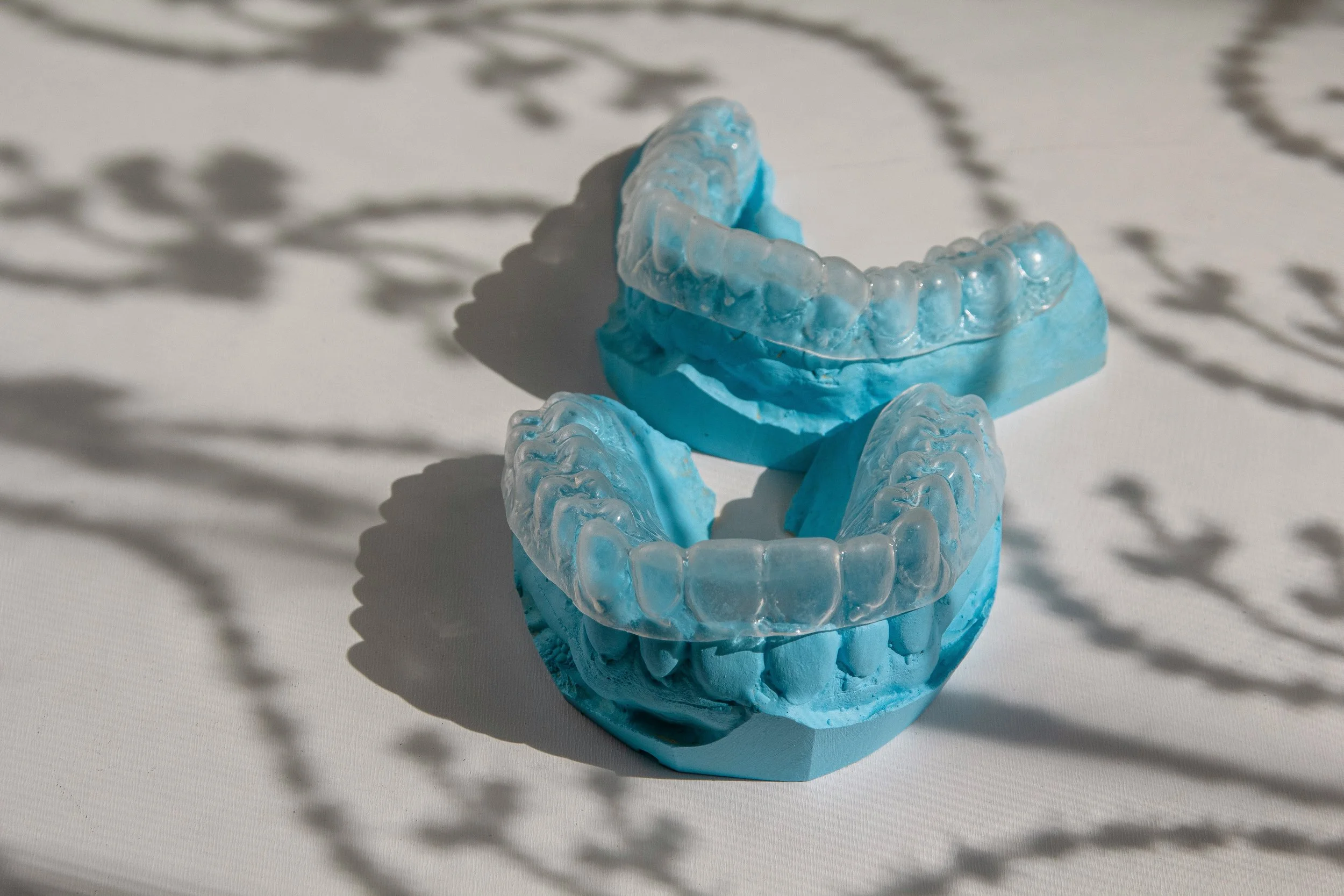
Tooth movement is a lifelong process.
Even years after orthodontic treatment, factors like:
Aging
Teeth grinding
Bite pressure
Bone remodeling
Missing teeth
Gum changes
can contribute to gradual shifting.
This is why many orthodontists recommend nighttime retainer wear indefinitely.
At Sander Orthodontic Arts, we educate Wichita and Andover patients about the importance of lifelong orthodontic stability and retention.
Signs You May Need a New Retainer or Orthodontic Evaluation
You should contact a trusted Wichita orthodontist if:
Your retainer feels extremely tight
Your retainer no longer fits
You notice shifting teeth
Crowding or spacing has returned
Your bite feels different
Teeth appear rotated again
You lost or damaged your retainer
Early intervention often helps prevent more extensive retreatment later.
Why Long-Term Retainer Wear Is Worth It
Orthodontic treatment is a major investment in your health, confidence, and smile.
Wearing your retainer consistently helps protect:
Smile aesthetics
Bite alignment
Long-term orthodontic stability
Gum health
Tooth positioning
Functional orthodontic results
For most patients, wearing a retainer at night is far easier, and far less expensive, than needing braces or Invisalign treatment again later.
FAQ: Retainer Relapse and Teeth Shifting
Can teeth shift after just a few days without a retainer?
Yes. Minor tooth movement can begin surprisingly quickly, especially shortly after orthodontic treatment ends.
Can teeth shift overnight without a retainer?
Dramatic shifting overnight is unlikely, but patients often notice tight retainers after only a few missed nights.
Why does my retainer suddenly feel tight?
A tight retainer usually means your teeth have started shifting. If the movement is still minor, consistent wear may help guide the teeth back.
Can I force my retainer back in?
No. Forcing a retainer into place may damage the appliance or place excessive pressure on teeth. Contact your orthodontist if it no longer fits properly.
Will my teeth go completely back to how they were before braces?
Not always, but significant relapse can occur over time if retainers are not worn consistently.
Can Invisalign fix teeth that shifted after braces?
In many cases, yes. Invisalign touch-up treatment can often correct mild to moderate orthodontic relapse.
Schedule a Retainer Check in Wichita or Andover
If your retainer feels tight, your teeth have started shifting, or your retainer no longer fits, early evaluation can help prevent more significant orthodontic relapse.
At Sander Orthodontic Arts, we help patients throughout Wichita, KS and Andover, KS protect their smiles with personalized retainer solutions, orthodontic evaluations, and retreatment options when needed.
Whether your teeth shifted recently or years after braces, our team can help you explore the best path forward.
Schedule your orthodontic consultation today before minor shifting becomes a larger problem.