
What Causes Crowded Teeth (and Can It Be Prevented?)
Crowded teeth are one of the most common reasons patients in Andover, KS and Wichita, KS seek orthodontic care, but the cause isn’t always as simple as it seems.
If you’ve noticed overlapping teeth or changes in alignment, you may be wondering:
What actually causes crowded teeth - and can it be prevented?
The short answer:
Sometimes yes; but often, not entirely.
At Sander Orthodontic Arts, we help patients throughout Andover and Wichita understand both the causes and the early warning signs, so they can take the right steps at the right time.
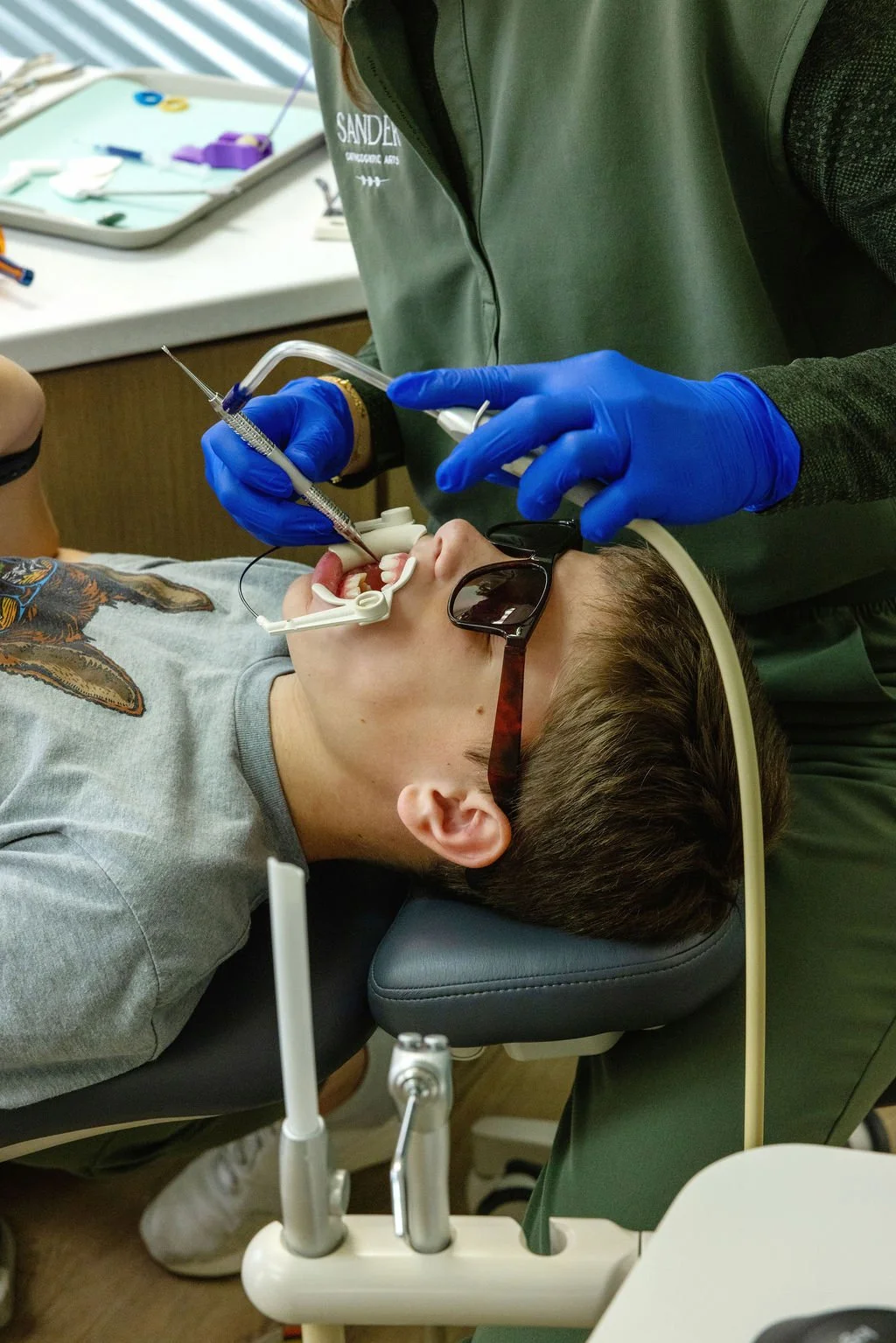
What Are Crowded Teeth?
Crowded teeth occur when there isn’t enough space in the jaw for teeth to align properly.
This can lead to:
Overlapping or twisting teeth
Teeth shifting out of position
Difficulty flossing and cleaning
Increased risk of long-term dental issues
Crowding often develops gradually and can become more noticeable as permanent teeth come in, especially in growing children.
The #1 Cause of Crowded Teeth: Genetics
In many cases, crowded teeth are inherited.
Here’s how genetics plays a role:
Tooth size is genetically determined
Jaw size is also genetically influenced
When there’s a mismatch, space becomes limited
For example:
Larger teeth + smaller jaw = not enough room
Teeth begin to overlap or shift as they compete for space
This is why many families in Wichita and Andover notice similar crowding patterns across generations.
Can Crowded Teeth Be Prevented?
This is one of the most common questions we hear from patients across Andover and Wichita, KS.
Crowded teeth cannot always be prevented.
If the cause is genetic, even ideal habits may not fully stop crowding from developing.
However, early awareness can make a significant difference.
With proper monitoring, orthodontists can:
Identify crowding early
Track jaw and tooth development
Intervene when necessary to reduce severity
Prevention isn’t always possible, but early management often is.
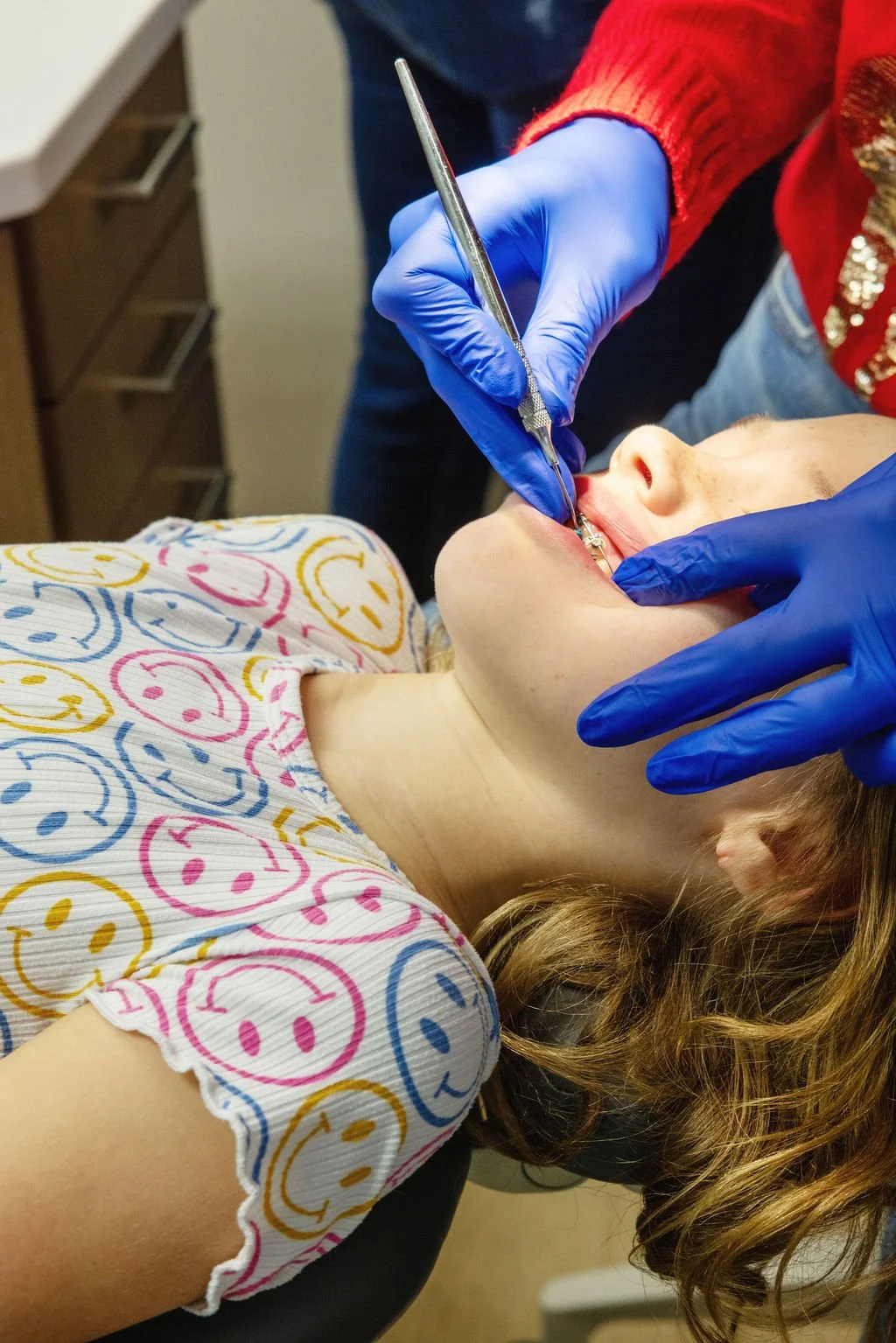
Modifiable Factors That Can Influence Crowding
While genetics set the foundation, there are several modifiable factors that can influence how teeth develop, especially during childhood.
Tongue Posture: A Hidden but Important Factor
Tongue posture plays a key role in shaping the upper jaw.
Proper tongue positioning supports natural arch development
Low or improper tongue posture can contribute to:
Narrow dental arches
Reduced space for teeth
Increased likelihood of crowding
Because this is a modifiable habit, early awareness can help support better long-term outcomes.
Oral Habits That Affect Tooth Alignment
Certain everyday habits can gradually shift teeth out of alignment.
Common contributors include:
Thumb or finger sucking
Nail biting
Chewing on pencils or objects
Extended pacifier use
These habits can:
Apply repeated pressure to teeth
Influence jaw development
Contribute to crowding or bite issues
For families in Andover and Wichita, addressing these habits early (especially in children) can help minimize future orthodontic concerns.
Why Early Orthodontic Evaluation Matters
Even when crowding can’t be fully prevented, early evaluation gives patients a clear advantage.
An orthodontist can assess:
Jaw growth patterns
Tooth eruption timing
Available space for incoming teeth
For many patients in Wichita and Andover, KS, early evaluations allow for:
Better long-term planning
Reduced treatment complexity
More predictable outcomes
This doesn’t always mean starting treatment early, but it does mean staying ahead of potential issues.

What Happens If Crowding Is Left Untreated?
Crowded teeth are not just a cosmetic concern; they can impact long-term oral health.
Without treatment, crowding may lead to:
Difficulty cleaning between teeth
Higher risk of cavities and gum disease
Uneven wear on teeth
Bite issues that affect function
Over time, these problems can become more complex, and more costly, to correct.
Can Crowded Teeth Be Fixed?
Yes - crowded teeth can be effectively treated with modern orthodontic solutions.
Treatment options may include:
Braces
Clear aligners
Space-creating techniques when needed
The right approach depends on:
Severity of crowding
Age and development
Individual treatment goals
At Sander Orthodontic Arts, patients in Andover and Wichita receive fully customized treatment plans designed for long-term success, not short-term fixes.
Awareness Is the First Step
Crowded teeth don’t have a single cause and they don’t have a one-size-fits-all solution.
Some factors, like genetics, are outside your control.
Others, like habits and tongue posture, can be improved with the right guidance.
The key is understanding the difference and taking action early when possible.
At Sander Orthodontic Arts, we provide patients throughout Wichita and Andover, KS with personalized, proactive care designed to support healthy development and confident smiles.
Concerned about crowded teeth or want to stay ahead of potential issues?
Schedule a consultation with Sander Orthodontic Arts and receive a personalized evaluation tailored to your needs.