
Adult Orthodontics in Your 30s & 40s: What No One Tells You
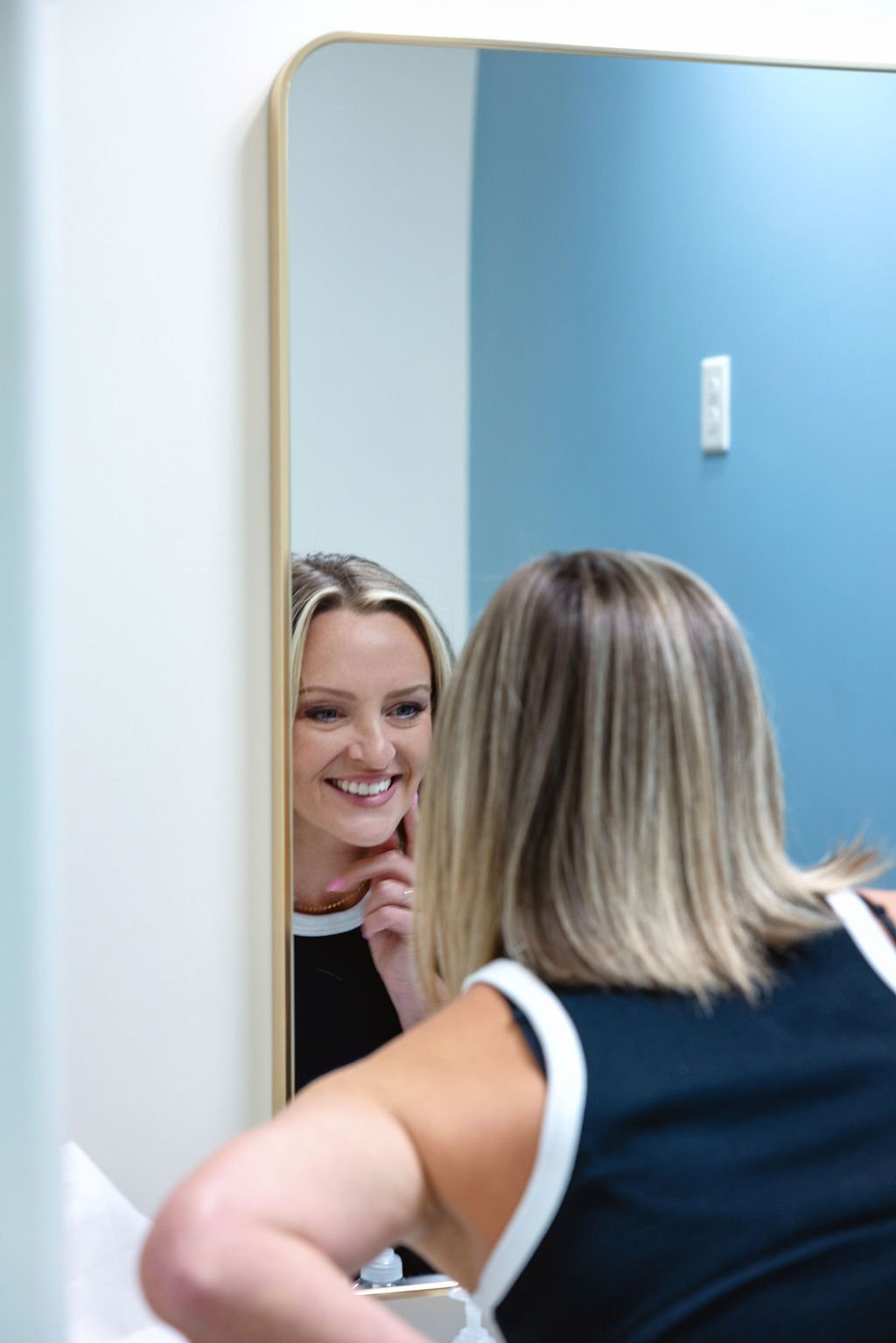
If you’ve ever wondered whether braces in your 30s or orthodontic treatment in your 40s is still possible, you’re not alone.
Many adults assume they missed their chance to straighten their teeth years ago. But the reality is very different.
Adult orthodontic treatment is one of the fastest-growing areas in dentistry today.
At practices like Sander Orthodontic Arts serving Wichita and Andover, many patients seeking treatment are professionals, parents, and adults who simply want a healthier, more confident smile. Modern orthodontics offers discreet and effective solutions designed to fit busy adult lifestyles.
The truth is simple:
It’s almost never too late to improve your smile.
However, there are a few things about adult orthodontics that many people don’t hear about before starting treatment.
Is It Too Late for Braces?
The short answer: No.
Orthodontic treatment works by gradually moving teeth through the bone using gentle, controlled pressure. That biological process works whether you are 16, 36, or 60.
As long as your teeth and gums are healthy, most adults are excellent candidates for orthodontic care.
In fact, many adults seek treatment for reasons such as:
Teeth shifting after childhood braces
Crowding that worsens with age
Bite issues like overbites or underbites
Jaw discomfort or uneven wear on teeth
Cosmetic improvements to their smile
Orthodontic care improves more than appearance. Proper alignment can enhance bite function, oral health, jaw comfort, and long-term dental stability.
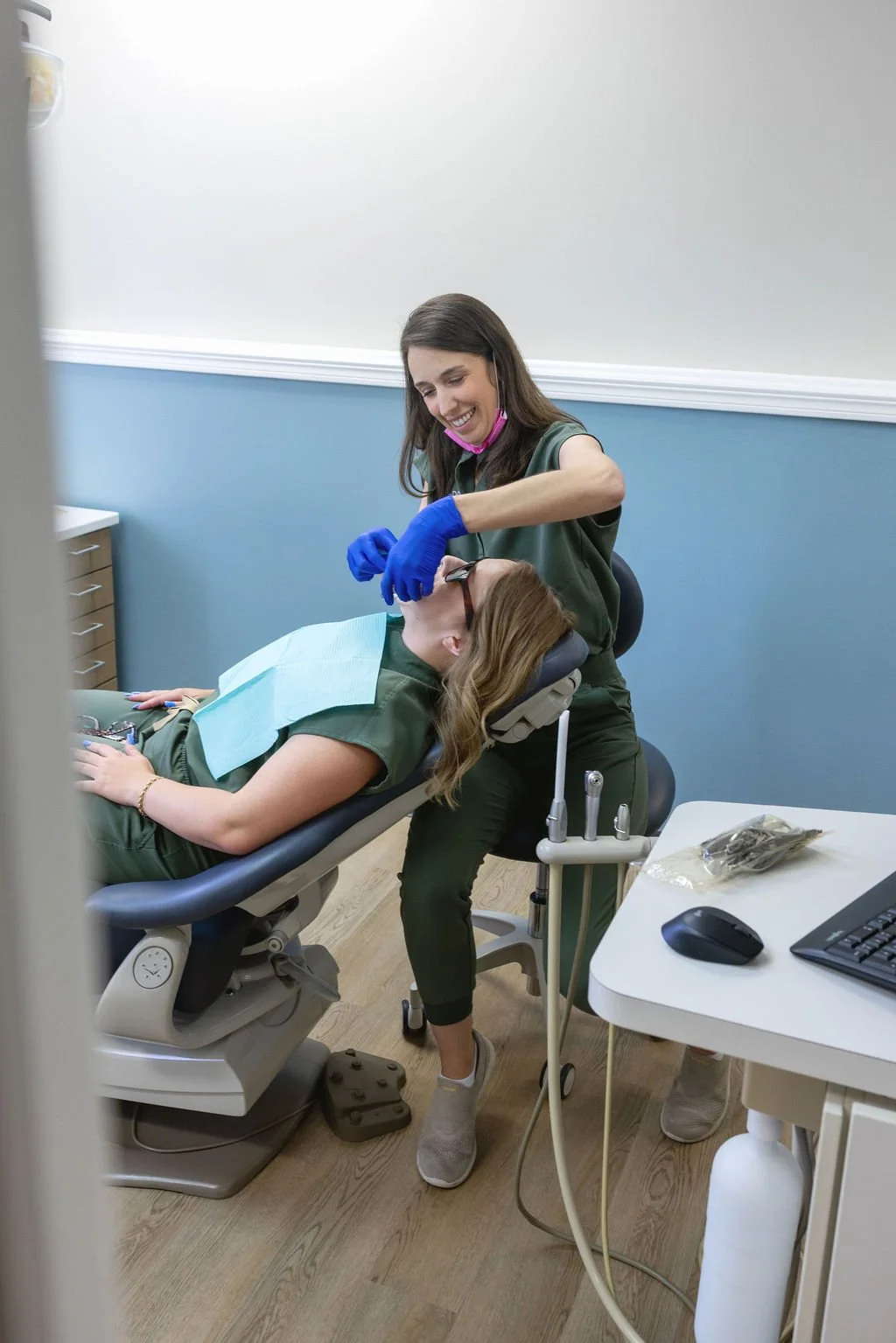
Why More Adults Are Straightening Their Teeth
There’s a reason adult orthodontics has grown significantly over the past decade.
Today’s treatments are more comfortable, more discreet, and far more flexible than traditional braces used to be.
For many adults, the decision to pursue orthodontic treatment comes down to three key benefits.
1. Confidence and Professional Presence
Your smile is one of the most noticeable aspects of your appearance.
Straightening teeth as an adult can help:
Improve self-confidence
Make you feel more comfortable smiling in photos
Enhance professional presence in meetings or presentations
Many adult patients say they wish they had done it sooner.
2. Better Long-Term Oral Health
Crooked or crowded teeth can make brushing and flossing more difficult.
When teeth are properly aligned, it becomes easier to:
Remove plaque and bacteria
Maintain healthy gums
Prevent tooth decay and gum disease
Orthodontics is not just cosmetic; it’s a long-term investment in your dental health.
3. Bite and Jaw Function
Orthodontic treatment can also address functional issues such as:
Overbites
Underbites
Crossbites
Jaw strain or uneven tooth wear
Correcting these problems improves chewing efficiency and can help prevent future dental complications.

Invisalign in Your 40s (and Other Discreet Options)
One of the biggest concerns adults have about orthodontics is visibility.
Many people worry that braces will look too noticeable at work or in social settings.
Fortunately, orthodontic technology has evolved dramatically.
Today, adults can choose from several treatment options, including:
Clear Aligners
Clear aligners are transparent trays designed to gradually move teeth into alignment. They are:
Nearly invisible
Removable for meals and brushing
Comfortable with no wires or brackets
Because aligners are removable, they also make maintaining oral hygiene easier during treatment.
Clear aligners work well for many mild-to-moderate orthodontic cases, especially crowding or spacing issues.
At Sander Orthodontic Arts, adult patients often choose clear aligner therapy because it blends seamlessly with busy professional lifestyles.
Ceramic or Traditional Braces
While aligners are popular, traditional braces remain one of the most effective orthodontic treatments.
Modern braces are:
Smaller and more comfortable
More efficient than older designs
Highly effective for complex bite corrections
For some adult cases (especially larger overbites or underbites), braces may still provide the best results.
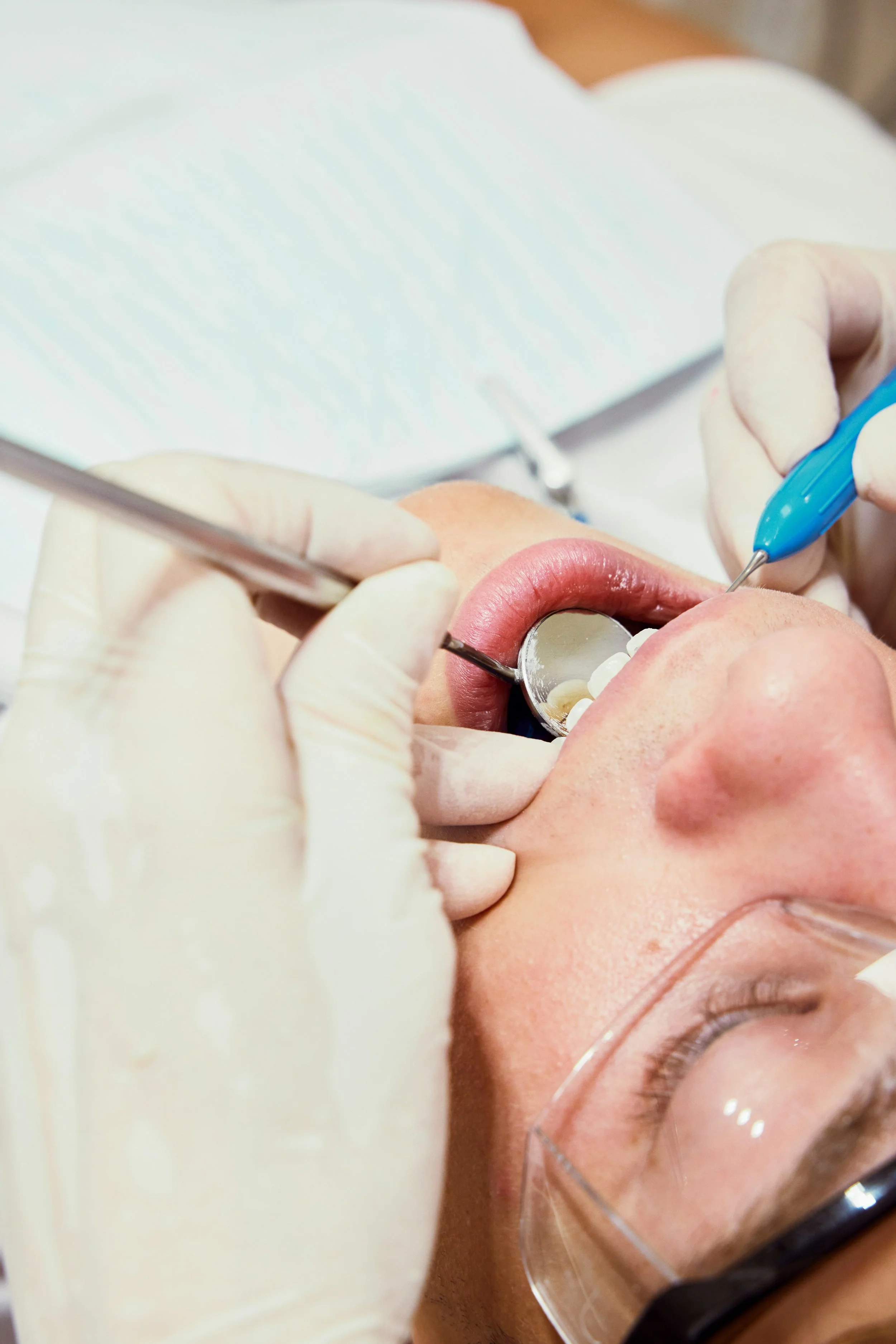
What No One Tells You About Adult Braces
While adult orthodontics is very successful, the experience can differ slightly compared to treatment for children or teenagers.
Here are a few honest insights many adults appreciate knowing ahead of time.
Teeth May Move Slightly Slower
Children and teenagers are still growing, which can help orthodontic treatment progress more quickly.
Adults, however, have fully developed bone structures. Because of this, teeth sometimes move a bit more gradually.
This doesn’t mean treatment won’t work. It simply means orthodontists may take a more strategic approach when planning treatment.
Experienced orthodontists often use advanced digital planning and customized appliances to achieve excellent results.
Some Cases Require Creative Treatment Planning
Without growth to guide jaw development, orthodontists sometimes need to be more creative when correcting certain bite issues in adults.
For example, larger:
Overbites
Underbites
Jaw alignment concerns
may require a combination of orthodontic techniques to achieve the best outcome.
That’s why choosing an experienced orthodontist is essential.
At Sander Orthodontic Arts, treatment planning blends clinical expertise with an artistic approach to smile design, ensuring every treatment plan is personalized.
Adults May Feel the Adjustment Period More
Here’s something patients often notice:
Kids tend to adapt to braces incredibly quickly.
Adults sometimes feel the initial adjustment a bit more.
Common experiences include:
Mild soreness
Pressure as teeth begin moving
Sensitivity after adjustments
The good news? This phase usually lasts only a few days at a time, and most patients adapt quickly.
Orthodontists provide guidance to help minimize discomfort during the adjustment period.
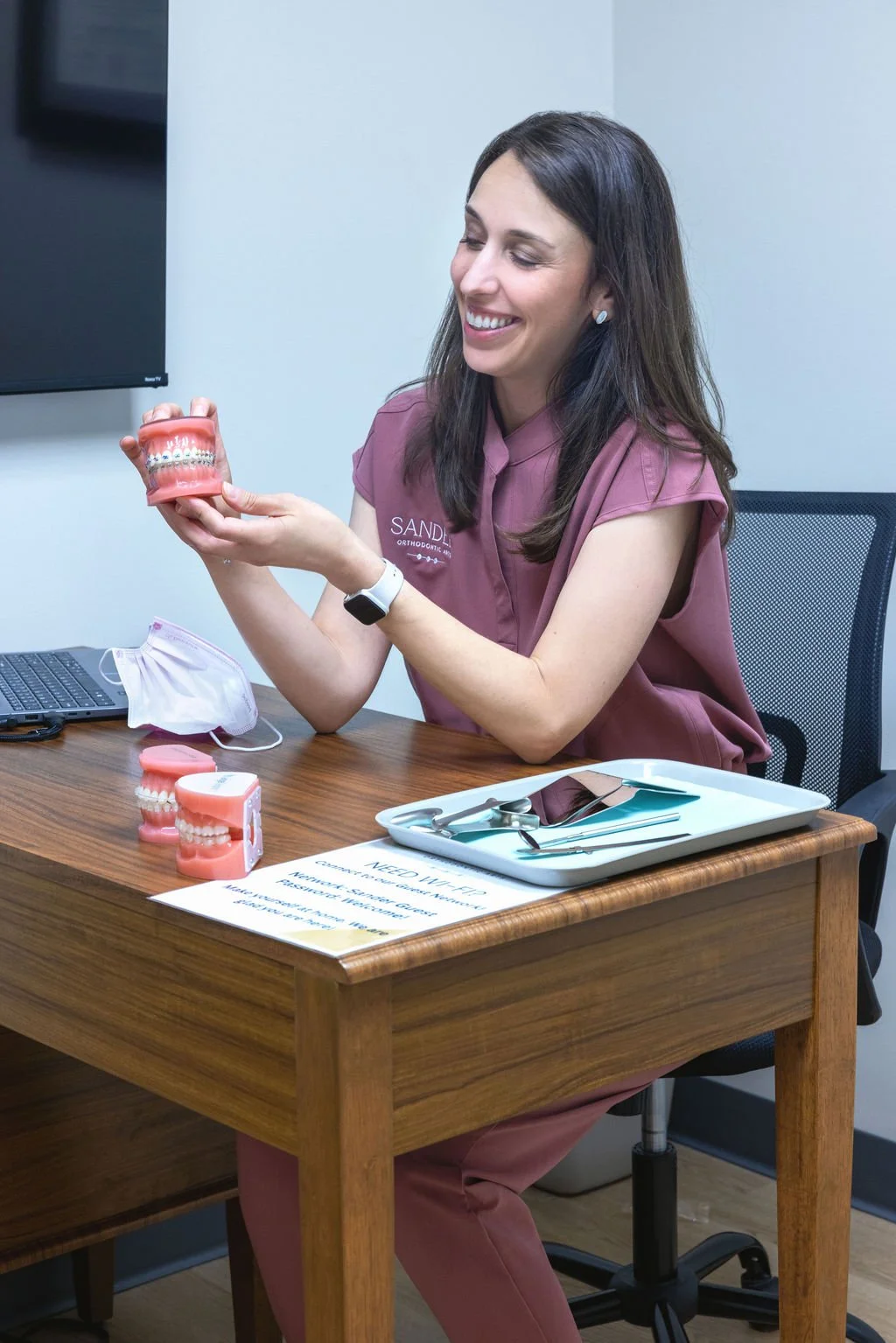
The Biggest Benefit of Starting Orthodontics as an Adult
Many adults spend years thinking:
“I wish I had done braces earlier.”
But the truth is, the best time to start orthodontic treatment is when you’re ready.
Starting treatment now means you can enjoy:
A healthier bite
Easier oral hygiene
Improved confidence
Long-term smile stability
And with modern orthodontic technology, treatment is more comfortable and convenient than ever.
Adult Orthodontics in Wichita & Andover
If you’re exploring adult orthodontic treatment in Wichita or Andover, choosing the right orthodontic team makes a significant difference.
At Sander Orthodontic Arts, orthodontics is approached as both a science and an art, combining precision, advanced technology, and personalized care to create natural, expressive smiles.
Every treatment plan is designed around the individual patient, ensuring your smile reflects both health and authenticity.
Frequently Asked Questions
Is it too late for braces in your 30s?
No. Many orthodontic patients begin treatment in their 30s or 40s. As long as teeth and gums are healthy, orthodontic treatment can still be very effective.
Does orthodontic treatment take longer for adults?
Treatment timelines vary by case, but most adult treatments take 12–24 months depending on complexity.
Do braces hurt more for adults?
Adults may notice mild soreness during the adjustment period, but the discomfort is temporary and manageable.
Are clear aligners effective for adults?
Yes. Clear aligners are commonly used to treat mild-to-moderate alignment issues and are especially popular among adult patients seeking a discreet option.

Ready to Explore Adult Orthodontic Treatment?
If you’ve been wondering whether braces in your 30s or clear aligners in your 40s could work for you, the best next step is a consultation.
At Sander Orthodontic Arts, patients throughout Wichita, Andover, and surrounding communities receive personalized orthodontic care designed to fit their lifestyle and goals.
Your first consultation is an opportunity to ask questions, explore treatment options, and learn what’s possible for your smile.