
Braces and Band Instruments: What Wichita & Andover Parents Should Know
By Dr. Kristen Sander, DDS, MS — Dr. Sander has practiced orthodontics since 2016 and founded Sander Orthodontic Arts in Andover in 2025.
Braces are rarely a reason for a student to stop playing a band or orchestra instrument. That's true whether your child plays trumpet, clarinet, flute, or anything in between and it's backed by the American Association of Orthodontists, which notes that with practice and a short adjustment period, braces generally don't keep students from playing wind and brass instruments well.
What does change, at least temporarily, is how playing feels. Most families I work with in Andover and Wichita ask the same handful of questions once braces are on the calendar: Will it hurt? Will my child's tone change? Should they switch instruments? Below is what to expect, instrument by instrument, along with a few things I ask parents to keep in mind before a big concert or audition.
Will Braces Change How My Child Plays?
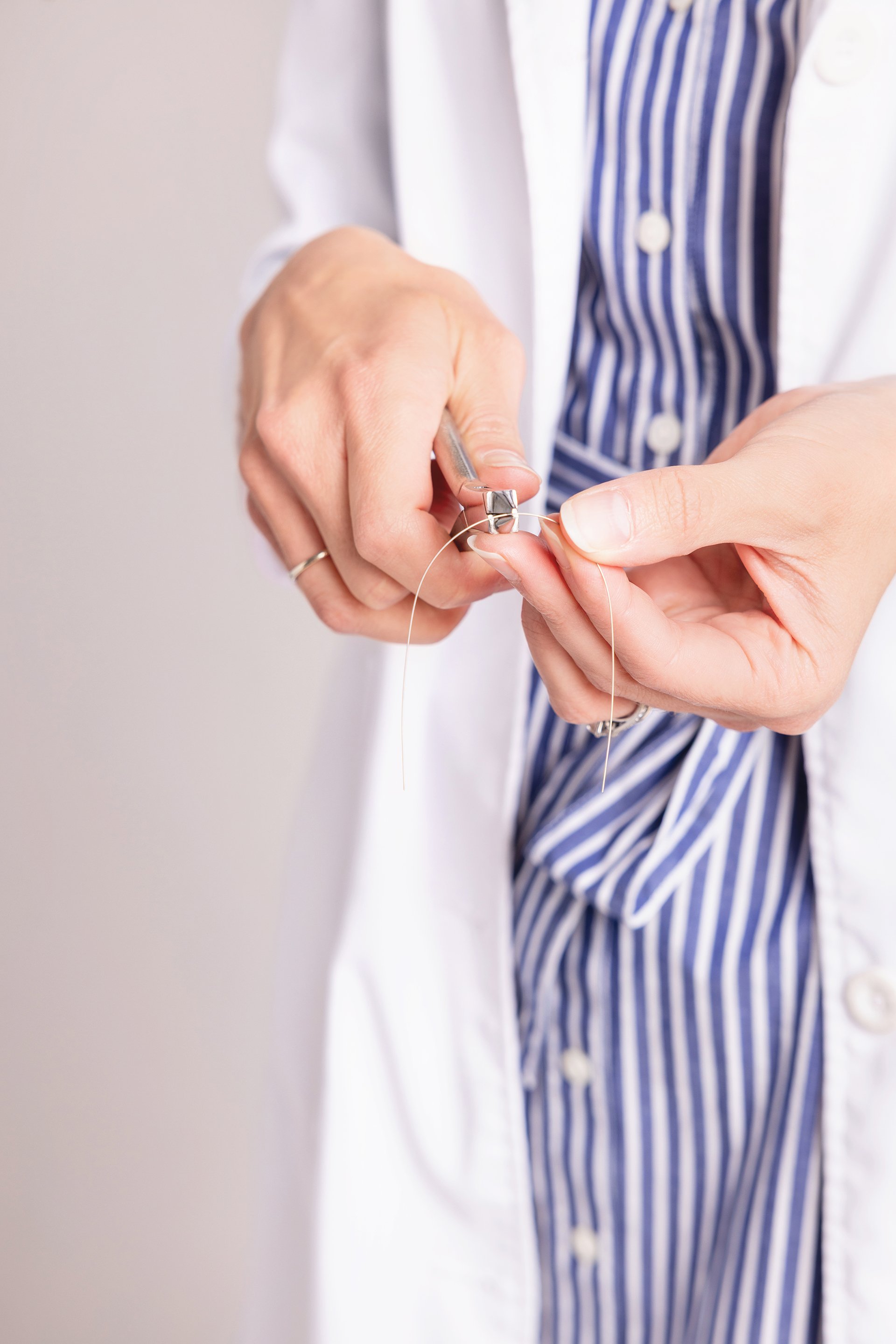
In the first few days after braces go on, and sometimes after adjustment appointments, it's common for a student to notice changes in embouchure, tone, articulation, or endurance. This is a normal, well-documented response to new pressure and texture inside the mouth, not a sign that something is wrong. Most students find their lips and cheek muscles adapt within one to two weeks.
A few things tend to help during that window:
Keep practicing rather than taking an extended break. Shorter, more frequent sessions in the first several days work better than one long one.
Use orthodontic wax over any bracket that's irritating the lips or cheeks.
Tell your orthodontist about upcoming performances. If a student has an audition, chair placement, or concert coming up, we can sometimes be thoughtful about the timing of a placement or adjustment appointment no promises on eliminating soreness entirely, but timing does help.
Brass Instruments: Trumpet, French Horn, Trombone, Tuba
Brass players typically notice the biggest initial adjustment, since the mouthpiece presses the lips directly against the front teeth and brackets. Trumpet and French horn players often feel this more than trombone or tuba players, since their mouthpieces are smaller and concentrate pressure over a tighter area.
In the early days, it's common to notice lip tenderness, reduced endurance, difficulty hitting certain notes, or a shift in tone. The instinct to press the mouthpiece harder to compensate is understandable, but working with a band director or private instructor on technique tends to serve students better than added pressure. Wax placed over the brackets closest to the mouthpiece is especially useful here.
Most brass players develop a slightly modified embouchure and keep playing at a high level throughout treatment. Interestingly, there's often a brief second adjustment after braces come off, simply because the lips have grown used to playing over brackets.
Woodwinds: Flute, Clarinet, Saxophone, Oboe, Bassoon
Woodwind instruments vary in how directly they interact with the teeth and lips, so the adjustment looks a little different across the family.
Flute
Flute involves no reed or mouthpiece held inside the mouth, so there's less direct contact with braces. Players may notice a small shift in lip position or air direction at first, but most adapt quickly with minimal irritation. Flute is generally the easiest adjustment of the group.
Clarinet and Saxophone
Clarinet and saxophone are generally very manageable with braces. Because the lower lip rests over the lower teeth, lower brackets can cause some initial irritation or pressure. Students usually need a short period to find a comfortable embouchure and regain normal endurance, and wax on the lower front brackets often helps.
Oboe and Bassoon
Oboe and bassoon require a more specialized double-reed embouchure, so players may notice more nuanced changes in comfort or control during the adjustment period. A private instructor can be especially helpful for a serious oboe or bassoon student navigating this transition.
Which Instruments Are Hardest to Adjust To?
There's no absolute ranking. Individual technique, playing level, and anatomy all play a role. That said, a general pattern holds:
Typically more adjustment: Trumpet, French horn, and other brass instruments with concentrated mouthpiece pressure
Usually less adjustment: Flute
Somewhere in between: Clarinet, saxophone, oboe, and bassoon, depending on the player's embouchure
Is Invisalign Easier for Musicians?
It's tempting to assume clear aligners are automatically the better choice for a musician, but the picture is more nuanced. Aligners eliminate the brackets against the lips issue, which some musicians find appealing. At the same time, aligners still slightly change the surface and shape around the teeth, and some players need their own adjustment period to find a comfortable embouchure with them in.
The bigger practical consideration is wear time. Aligners generally need to stay in around 20 to 22 hours a day to work as intended, and repeatedly removing them for long rehearsals or practice sessions can cut into that window. For a student who practices for hours at a stretch, traditional braces can actually be the simpler option, since there's no removal and no compliance to manage.
The right choice should start with what your child's teeth and bite actually need, with lifestyle factors like music weighed alongside that, not instead of it. Our Invisalign vs. braces guide walks through the tradeoffs in more detail if you're comparing the two.
Frequently Asked Questions
Can my child still play trumpet with braces? Yes. Trumpet is one of the instruments where the adjustment period tends to be more noticeable, since the mouthpiece presses directly against the front teeth. Most students adapt within a couple of weeks with the help of wax and modified technique.
Will braces hurt my child's embouchure long-term? No. Any changes to embouchure, tone, or endurance are typically temporary and improve as the lips and muscles adjust to the braces.
Which instrument is easiest to play with braces? Flute tends to be the easiest adjustment, since it doesn't involve a reed or mouthpiece held inside the mouth.
Should my child switch instruments while wearing braces? Generally, no. Most students can keep playing their regular instrument throughout treatment without needing to switch.
Is Invisalign better than braces for a serious musician? Not automatically. Aligners remove bracket irritation but require consistent daily wear, which can be difficult for students with long or frequent practice sessions. The right choice depends on both orthodontic needs and practice habits.
What can help during the first week after braces are placed? Orthodontic wax over any irritating brackets, shorter and more frequent practice sessions, and staying in touch with a band director or private instructor about technique.
If your young musician is getting braces soon, or you'd like to talk through timing around an upcoming performance, schedule a consultation with our Andover team. We're glad to work with your student's practice schedule from day one.